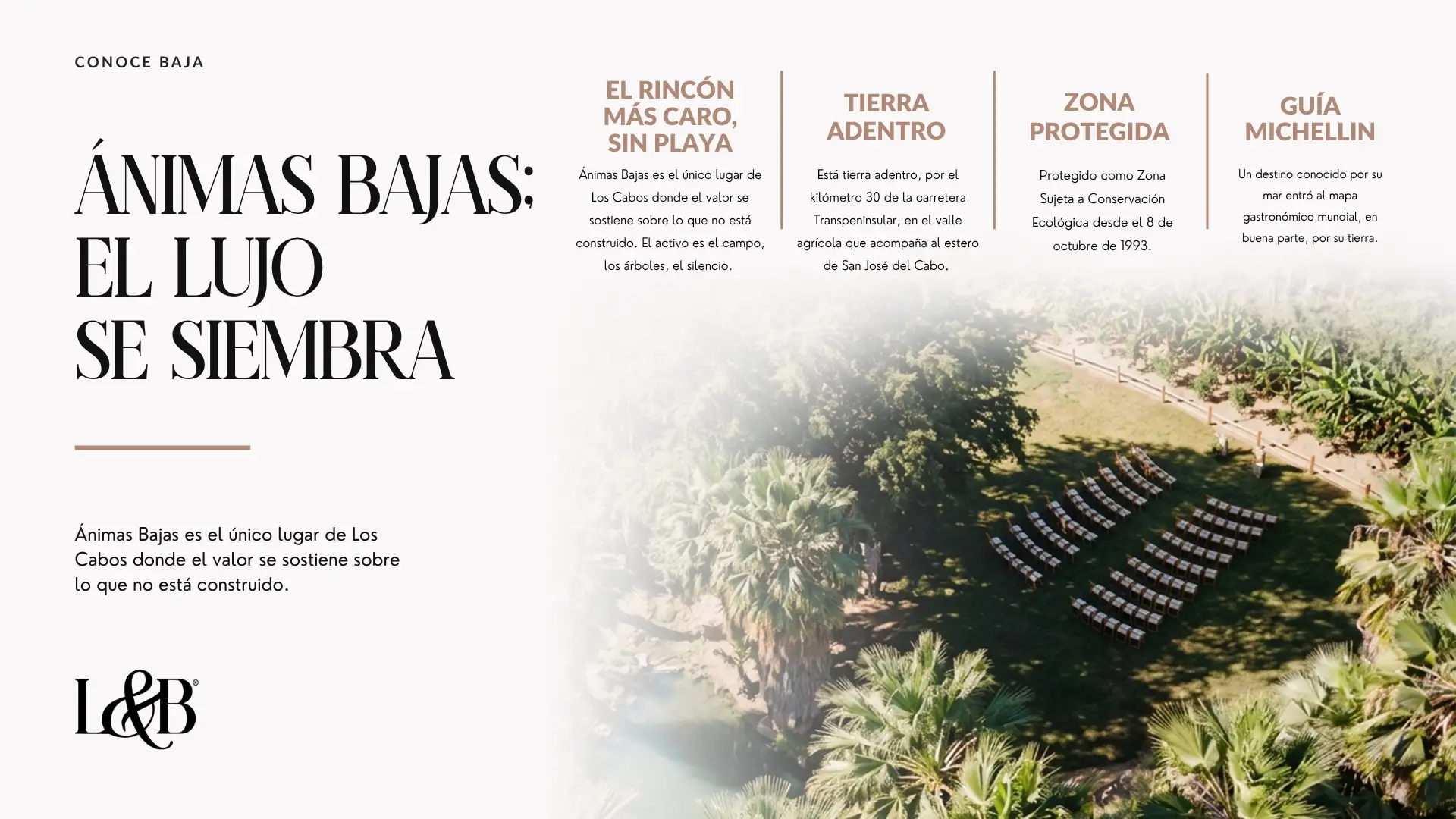
Ánimas Bajas: el lujo se siembra

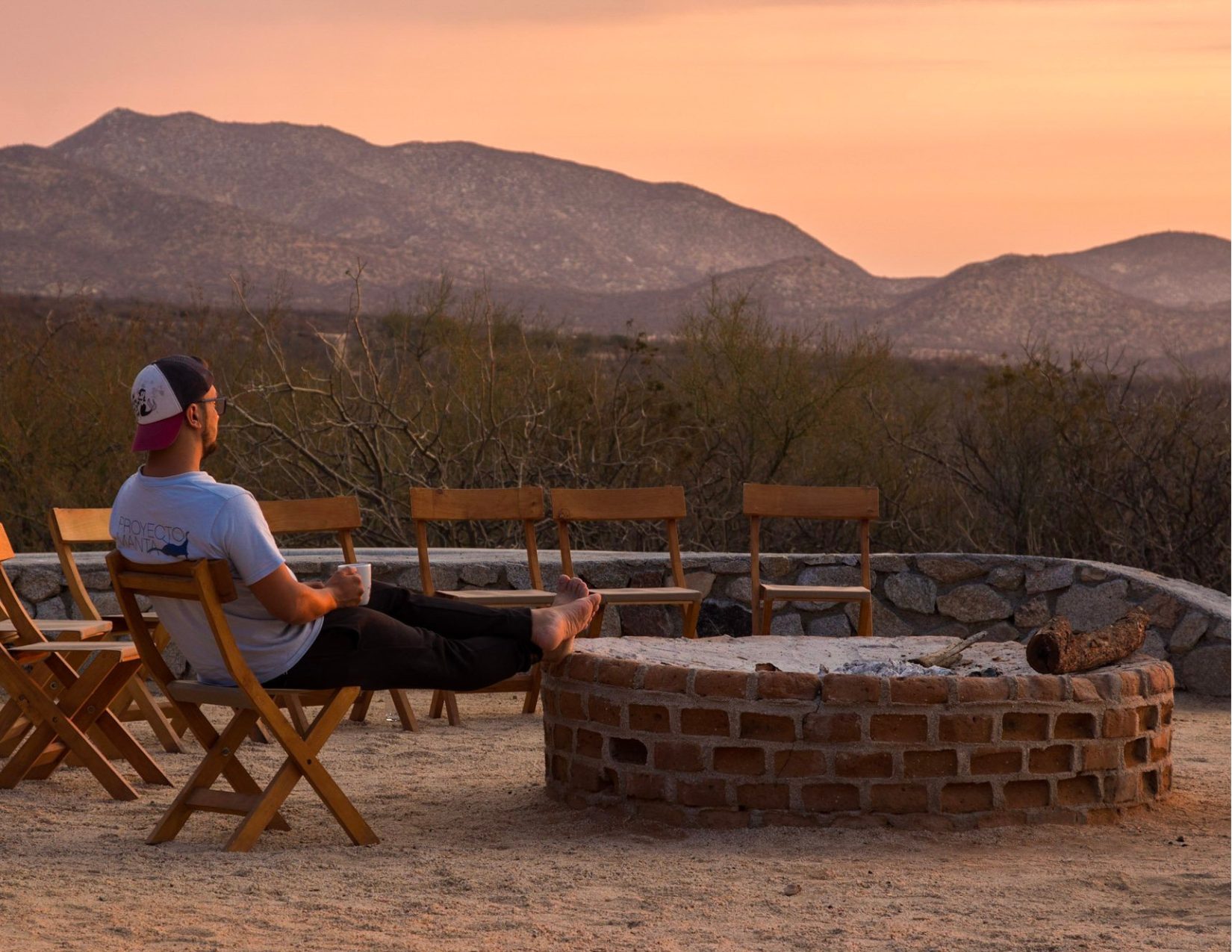
Entre el vértigo de los megaproyectos costeros y el crecimiento vertical de las zonas turísticas, una nueva forma de lujo comienza a tomar fuerza en Los Cabos: el lujo rural. No se trata de una moda estética ni de una tendencia pasajera, sino de una transformación profunda en la relación entre el territorio, la inversión inmobiliaria y la experiencia del habitar. En zonas como El Pescadero, Todos Santos, Migriño, La Fortuna o Los Pozos, los desarrollos residenciales ya no compiten por estar en primera línea de playa. Compiten por privacidad, integración ecológica, por tener un pozo propio, un huerto funcional, o una terraza desde la cual se vean las montañas antes que el mar. Lo rural ha dejado de ser sinónimo de carencia para convertirse en sinónimo de exclusividad.
La pandemia redefinió las prioridades de muchos con alto poder adquisitivo: el acceso a la naturaleza, la salud mental, el tiempo de calidad y la posibilidad de habitar espacios menos densos pasaron al centro de la conversación. Así, la ruralidad dejó de ser un escape temporal y empezó a consolidarse como un estilo de vida aspiracional y permanente. En la región Pacífico de Baja California Sur, este cambio se traduce en comunidades de baja densidad, arquitectura que dialoga con el paisaje, caminos de terracería diseñados con intención, construcciones en materiales como adobe, tierra compactada o bambú, y un modelo de infraestructura que privilegia las energías limpias, la captación de agua y la producción local. En este nuevo paradigma, el lujo ya no se mide por metros construidos, sino por metros de horizonte sin interrupciones.
Este cambio viene acompañado de un discurso que vincula la exclusividad con la sostenibilidad, y aunque muchas propuestas lo asumen con coherencia, también existe el riesgo de que se quede en un argumento comercial. Algunos proyectos destacados —especialmente en La Poza y el corredor agrícola de El Pescadero— han logrado avanzar hacia un enfoque verdaderamente regenerativo: certifican sus sistemas constructivos, minimizan su huella hídrica, usan materiales locales, aplican principios de permacultura e incluso asumen esquemas de land stewardship, donde el valor inmobiliario está vinculado directamente a la conservación del entorno. No obstante, es inevitable observar que la expansión de esta tendencia también ha comenzado a replicar tensiones clásicas del desarrollo en zonas sensibles: presión sobre caminos rurales, acaparamiento de recursos naturales, fragmentación de ecosistemas y desplazamiento indirecto de dinámicas comunitarias.
Cuando se desarrolla con ética territorial, el lujo rural tiene la capacidad de activar microeconomías regenerativas que fortalecen el tejido local: cooperativas agrícolas, talleres de bioconstrucción, redes de proveeduría artesanal, mercados orgánicos y servicios turísticos de bajo impacto que redistribuyen la derrama económica con mayor equidad. Varios desarrollos han incorporado programas de capacitación, financiamiento de infraestructura comunitaria y esquemas de participación vecinal como parte integral de su visión de largo plazo. Esto responde a una nueva demanda por parte del inversionista contemporáneo: quiere autenticidad, pero también quiere propósito y pertenencia.
El auge del lujo rural en Los Cabos no representa un retorno al pasado ni una simple alternativa a los modelos tradicionales del desarrollo inmobiliario. Es una nueva frontera, no necesariamente más ostentosa, pero sí más sofisticada y compleja. Implica pensar en infraestructura sin urbanización masiva, en servicios sin colapso, en privacidad sin exclusión. Implica aceptar que el futuro del lujo no está en las torres ni en los penthouses con marina privada, sino en la sombra de un mezquite, el silencio del campo, la arquitectura que respira con la tierra y la resiliencia como fundamento.
Si Los Cabos logra ordenar y acompañar este paradigma con inteligencia territorial, podrá consolidar una oferta inmobiliaria coherente con el entorno, con su identidad y con las nuevas exigencias del mundo contemporáneo: una oferta que no sólo sea rentable, sino también sostenible, sensible y profundamente cabense.
Amid the rush of coastal megaprojects and the vertical growth of tourist zones, a new kind of luxury is quietly gaining ground in Los Cabos: rural luxury. This is not a decorative trend or fleeting aesthetic—it is a profound shift in how territory, real estate investment, and the experience of living are being reimagined. In areas like El Pescadero, Todos Santos, Migriño, La Fortuna and Los Pozos, new residential developments no longer compete for beachfront locations. Instead, they offer privacy, ecological integration, a private well, a working orchard, or a terrace from which the mountains, not the sea, dominate the view. Rural no longer means lack—it has become synonymous with exclusivity.
The pandemic redefined the priorities of high-net-worth individuals: access to nature, mental well-being, quality time, and the possibility of living in low-density environments became central. Rural life ceased to be a temporary escape and started to emerge as an aspirational, long-term lifestyle. In the Pacific region of Baja California Sur, this shift is visible in communities with low density, architecture that blends with the landscape, thoughtfully designed dirt roads, and buildings made from adobe, rammed earth or bamboo. These developments favor solar energy, rainwater harvesting, and local food production. In this new paradigm, luxury is no longer measured in square meters built, but in uninterrupted views of the horizon.
This movement is supported by a narrative that ties exclusivity to sustainability. While some projects have embraced this with coherence, the line between meaningful environmental commitment and greenwashed marketing can be thin. The most advanced projects—particularly in La Poza and the agricultural corridor of El Pescadero—are certifying construction systems, reducing water footprints, sourcing local materials, and operating under permaculture principles. Some even adopt land stewardship models, where property value is directly linked to ecosystem conservation. Still, the expansion of rural luxury risks repeating old tensions: pressure on rural infrastructure, water resource hoarding, habitat fragmentation, and indirect displacement of traditional communities.
When guided by territorial ethics, rural luxury has the potential to activate regenerative microeconomies that strengthen local networks: agricultural cooperatives, artisanal construction workshops, bioconstruction training, organic markets, and low-impact tourism services that fairly distribute economic benefits. Some developments have included training programs, community infrastructure financing, and participatory models that anchor the project in the surrounding social fabric. Today’s luxury buyer seeks authenticity—but also purpose and a sense of belonging.
The rise of rural luxury in Los Cabos is not a nostalgic return to the past, nor just an alternative to conventional development models. It represents a new frontier—not necessarily more ostentatious, but far more sophisticated and nuanced. It requires thinking about infrastructure without urban sprawl, services without systemic collapse, and privacy without exclusion. It also means recognizing that the future of luxury lies not in high-rise towers or yacht marinas, but in the quiet of an unpaved road, the shade of a mesquite tree, and architecture that breathes with the land.
If Los Cabos succeeds in managing this paradigm with territorial intelligence, it can shape a real estate offering that is not only profitable, but also sustainable, culturally grounded, and deeply rooted in place. A model of development aligned with the landscape, its people, and the future of luxury itself.