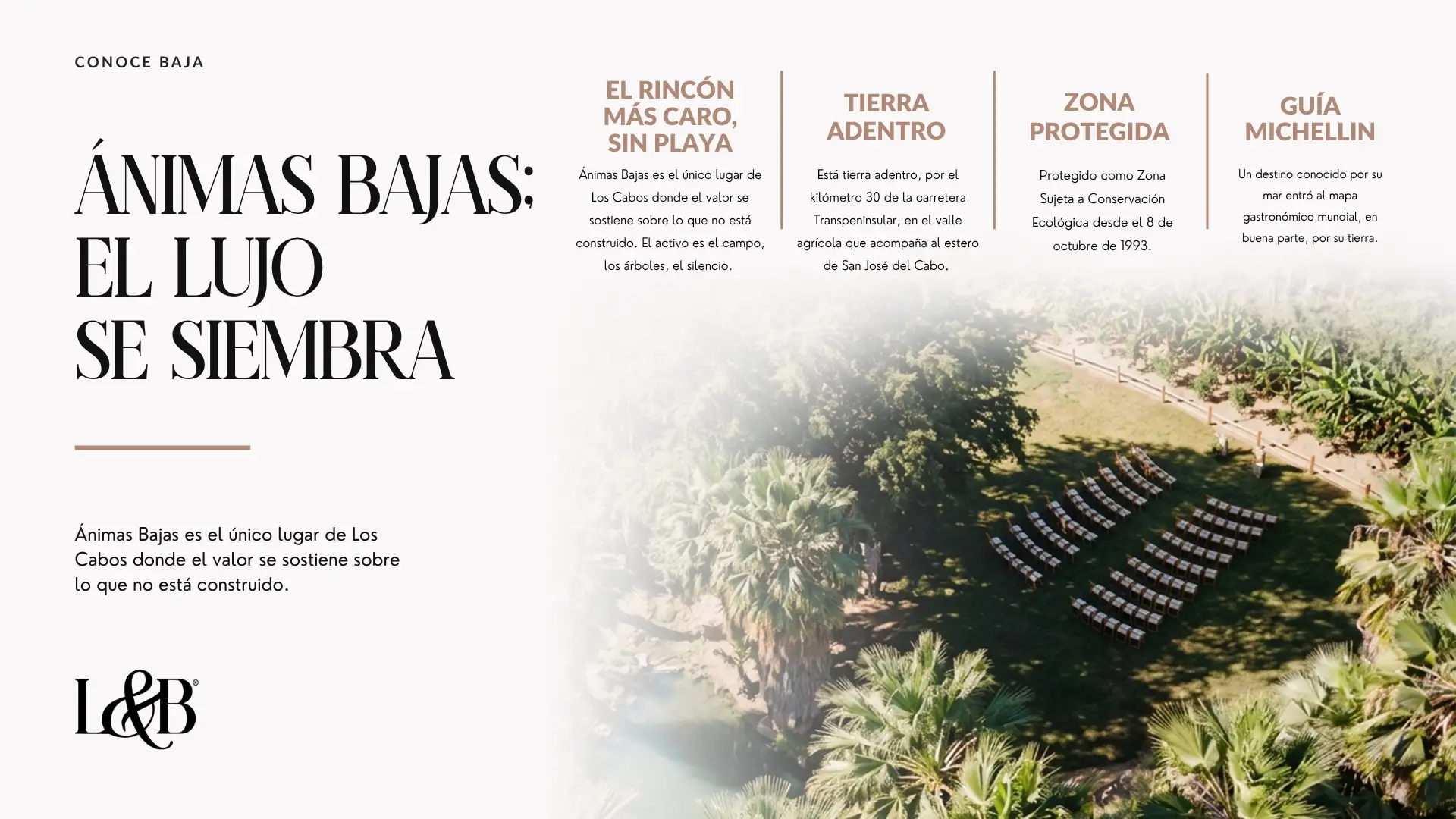
Ánimas Bajas: el lujo se siembra

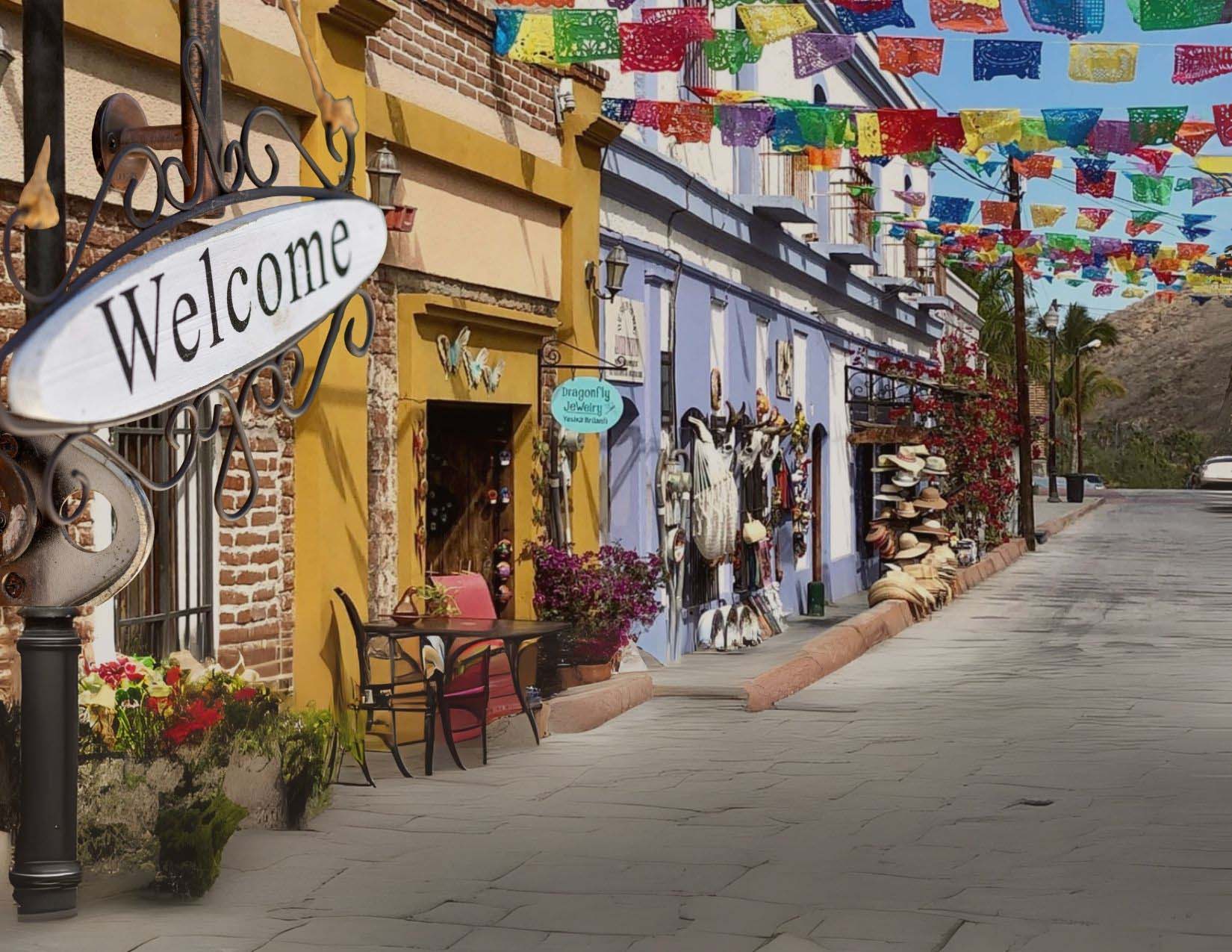
Paraíso comestible: la nueva arquitectura verde del desierto
En los desarrollos residenciales de Baja California Sur, el paisaje puede ser más que un escenario estético; puede convertirse en un recurso vital. Los jardines comestibles y la infraestructura verde están transformando la manera en que concebimos el lujo y la habitabilidad en entornos áridos. Entre la arena, el sol intenso y la escasez de agua, estos proyectos ofrecen no solo belleza, sino alimentos frescos, sombra y bienestar para quienes habitan estos espacios.
El paisajismo comestible combina árboles frutales, arbustos, hierbas aromáticas y vegetales en diseños que imitan los bosques naturales. Esta integración genera microclimas, favorece la biodiversidad y permite que los habitantes interactúen con la naturaleza, cosechando directamente de su entorno. Paralelamente, la infraestructura verde —techos y muros vegetales, jardines de lluvia y sistemas de captación de agua— aporta servicios ecosistémicos que regulan la temperatura, retienen agua y fortalecen la resiliencia de los desarrollos frente a un clima extremo.
Pero el desafío no es solo técnico. En una región donde la aridez es la norma, cada decisión sobre plantas, riego y diseño tiene un impacto tangible en el consumo de recursos. Adoptar especies autóctonas resistentes y estrategias de xeropaisajismo permite reducir el uso de agua, pero también exige una planificación consciente que combine eficiencia y estética. Surge así una pregunta: ¿puede el lujo convivir con la sostenibilidad sin perder la experiencia sensorial que define la vida en el desierto?
La respuesta parece afirmativa. Proyectos como Palmita, en El Pescadero, integran huertos de mangos, chiles y plantas aromáticas alrededor de villas minimalistas, invitando a los residentes a cosechar su propio alimento y reconectar con el entorno natural. En otros desarrollos, los techos verdes y los jardines comestibles actúan como pulmones del edificio, ofreciendo frescura, biodiversidad y una experiencia multisensorial que va más allá de lo visual, estimulando aromas, texturas y sonidos que enriquecen el día a día.
Paisajismo comestible e infraestructura verde representan una oportunidad para replantear el desarrollo inmobiliario en Baja California Sur. No se trata solo de lujo, sino de un lujo consciente: espacios que alimentan, refrescan y conectan emocionalmente a quienes los habitan, mientras respetan los límites del ecosistema. La invitación es clara: diseñar con intención, pensar en la sostenibilidad y disfrutar de un paisaje que nutre tanto al cuerpo como al espíritu, porque en el desierto, cada hoja y cada fruto tienen un valor incalculable.
In residential developments across Baja California Sur, the landscape can be more than an aesthetic backdrop; it can become a vital resource. Edible gardens and green infrastructure are transforming the way we think about luxury and habitability in arid environments. Amid sand, intense sun, and scarce water, these projects offer not only beauty but also fresh food, shade, and well-being for those who inhabit these spaces.
Edible landscaping combines fruit trees, shrubs, aromatic herbs, and vegetables in designs that mimic natural forests. This integration creates microclimates, fosters biodiversity, and allows residents to interact with nature by harvesting directly from their surroundings. At the same time, green infrastructure — green roofs and walls, rain gardens, and water-capture systems — provides ecosystem services that regulate temperature, retain water, and strengthen the resilience of developments against extreme climates.
But the challenge is not only technical. In a region where aridity is the norm, every decision regarding plants, irrigation, and design has a tangible impact on resource consumption. Using resilient native species and xeriscaping strategies can reduce water use, but it also requires thoughtful planning that combines efficiency with aesthetics. The question arises: can luxury coexist with sustainability without losing the sensory experience that defines life in the desert?
The answer appears to be yes. Projects like Palmita, in El Pescadero, incorporate mango, chili, and herb gardens around minimalist villas, inviting residents to harvest their own food and reconnect with the natural surroundings. In other developments, green roofs and edible gardens act as the building’s lungs, offering freshness, biodiversity, and a multisensory experience that goes beyond the visual, stimulating aromas, textures, and sounds that enrich daily life.
Edible landscaping and green infrastructure present an opportunity to rethink real estate development in Baja California Sur. This is not just luxury—it is conscious luxury: spaces that nourish, refresh, and emotionally connect with those who inhabit them while respecting the limits of the ecosystem. The invitation is clear: design with intention, prioritize sustainability, and enjoy a landscape that feeds both body and spirit, because in the desert, every leaf and every fruit holds incalculable value.