Premio Interceramic 2026: quedan 10 días para inscribir tu proyecto

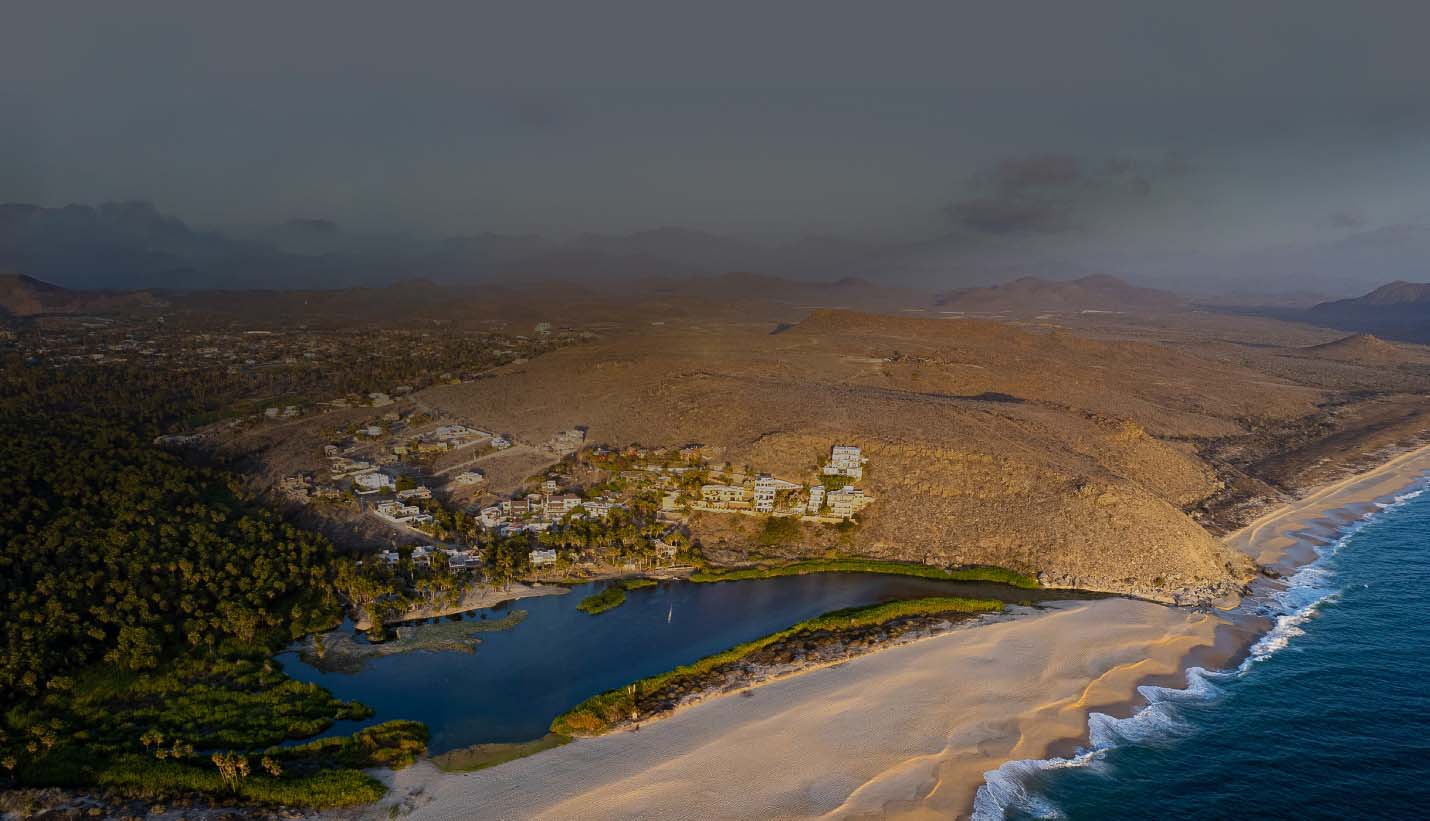
En la franja costera del Pacífico, construir no es simplemente edificar: es dialogar con la naturaleza. Entre Cerritos, El Pescadero y Migriño, cada proyecto enfrenta condiciones únicas que desafían las fórmulas tradicionales de la construcción. El viento constante, la salinidad del ambiente, la falta de infraestructura pública y la necesidad de conservar el carácter natural del entorno convierten cada obra en un acto de adaptación creativa.
He acompañado procesos constructivos que inician con el estudio del terreno como si fuera un organismo vivo. La orientación solar, la pendiente natural, las corrientes de aire y hasta el tipo de vegetación condicionan las decisiones constructivas. No se trata de imponer una visión, sino de reconocer las señales del lugar y responder con humildad y técnica.
Uno de los principales retos es el acceso a servicios básicos. Muchas zonas aún carecen de red eléctrica, agua potable o drenaje. Esto, lejos de ser un obstáculo, se ha convertido en la base de soluciones inteligentes: captación pluvial, sistemas de energía solar, biodigestores y baños secos.
La arquitectura constructiva aquí no espera a que llegue la infraestructura, sino que la crea. Otro reto es la resistencia de los materiales frente al entorno. El uso de acero galvanizado, maderas tratadas, concretos con aditivos especiales y acabados naturales, como la cal o el chukum, son ejemplos de cómo se responde a la agresividad del clima sin renunciar a la estética. Pero más allá de los materiales, lo esencial es la mentalidad con la que se construye: una que privilegia la durabilidad, el bajo mantenimiento y el mínimo impacto.
El mayor aprendizaje que deja construir en esta región es que la naturaleza no es un enemigo a vencer, sino una aliada a interpretar. Que no hay soluciones universales, sino respuestas específicas a contextos irrepetibles. Y que cuando se logra esa sintonía entre técnica y paisaje, se construyen espacios que no solo resisten el paso del tiempo, sino que lo celebran.
Hoy, el Pacífico mexicano es una escuela abierta para quienes entienden la construcción como un arte de integración. Y para los inversionistas, representa la oportunidad invaluable de ser parte de un desarrollo que no sólo se ve bien, sino que hace bien.
Along the Pacific coastal stretch, building isn’t just about erecting structures—it’s about engaging in dialogue with nature. Between Cerritos, El Pescadero, and Migriño, every project encounters unique conditions that defy conventional construction models. Constant winds, saline air, limited public infrastructure, and the imperative to preserve the natural character of the land turn each build into an act of creative adaptation.
I’ve witnessed construction processes that begin with studying the terrain as if it were a living organism. Solar orientation, naturalslope, wind flow, and native vegetation all shape how decisions are made. It’s not about imposing a vision but reading the signs of the land and responding with humility and skill.
One of the main challenges is access to basic services. Many areas still lack electricity, potable water, or sewage systems. Far from being an obstacle, this has become the foundation for smart solutions: rainwater harvesting, solar energy systems, biodigesters, and dry toilets. Here, construction doesn’t wait for infrastructure—it generates it.
Another major challenge Is material resistance to the environment. The use of galvanized steel, treated woods, special-additive concretes, and natural finishes like lime or chukum are examples of how to resist harsh climates without sacrificing design. But beyond the materials, what matters most is the mind set behind the construction—one that prioritizes durability, low maintenance, and minimal impact.
The greatest lesson in building in this region is that nature is not an enemy to defeat, but an ally to interpret. There are no universal solutions, only specific responses to unique contexts. When this harmony between technique and land scape is achieved, the result is architecture that not only with stands time—but celebrates it. Today, the Mexican Pacific is an open-air classroom for those who see construction as an art of integration. And for investors, it represents an in valuable opportunity: to be part of adevelopment that doesn’t just look good— but does good.