Premio Interceramic 2026: quedan 10 días para inscribir tu proyecto

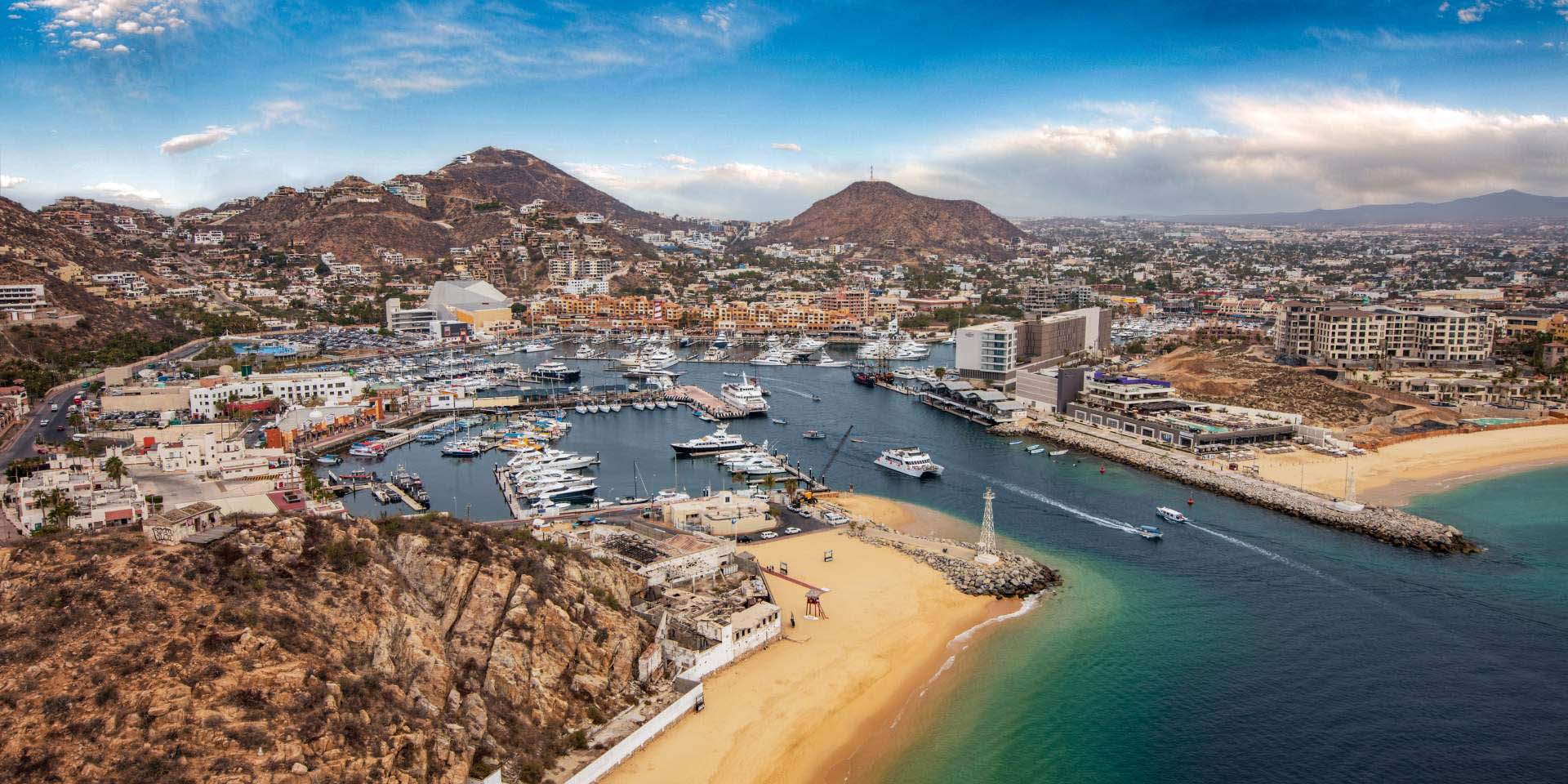
Los Cabos vive hoy una encrucijada histórica. En las próximas décadas, este destino de playa, desierto y turismo de lujo podría transformarse radicalmente: su población podría alcanzar 800,000 habitantes para 2040, según estimaciones recientes. Para el año 2035, su peso demográfico ya rondaría el 50% de la población de Baja California Sur, al consolidarse como el motor económico del estado.
Este crecimiento no es puro entusiasmo inmobiliario: va acompañado por un auge de infraestructura. Se están invirtiendo cientos de millones de pesos en proyectos clave, como un paso inferior para descongestionar el tránsito, mejoras viales y nuevos desarrollos hidráulicos, incluida una planta desalinizadora para apuntalar la red de agua
Pero detrás de este impulso hay tensiones reales. El auge de Los Cabos ha generado un desequilibrio: barrios tradicionales luchan por acceso al agua mientras que los complejos turísticos se abastecen sin interrupciones. Además, el ingreso promedio en Baja California Sur ronda los 12,300 pesos al mes, una cifra que contrasta con los altos precios del mercado inmobiliario local.
Por otro lado, la explosión inmobiliaria es imparable. Según JLL, la demanda residencial se disparó entre 2021 y 2022, y los precios subieron un 38.8 % en la primera mitad de 2023 con respecto al mismo periodo del año anterior Inversores de lujo apuestan fuerte por Los Cabos, sobre todo en viviendas de alto nivel para turismo de corto plazo.
Este crecimiento acelerado exige un replanteamiento profundo: ¿cómo equilibrar el esplendor cosmopolita con la sostenibilidad y la calidad de vida? La expansión sin control podría desgastar el paisaje original, exacerbar la desigualdad social y agravar problemas ambientales. Ya se discute una hoja de ruta para un crecimiento más responsable, que integre planificación urbana, equidad en el acceso a servicios básicos y una arquitectura adaptada al entorno.
Los Cabos 2035 no será solo un paraíso para inversores y viajeros: podría convertirse en un laboratorio viviente de desarrollo territorial. El desafío es que ese experimento incluya a todos—residentes, trabajadores, visitantes—y no sacrifique su esencia por el exceso del crecimiento.
Los Cabos stands at a historic crossroads. Over the next decade, this iconic destination—where desert meets sea—could transform more than ever before. Projections suggest the region may approach 800,000 residents by 2040, and by 2035 it could represent nearly half of Baja California Sur’s total population. This shift reflects its growing role as the state’s economic engine.
This rise is not just a product of real estate enthusiasm. Major public and private investments are reshaping the region through new roads, urban infrastructure, improved transit connections, and hydraulic projects such as desalination systems designed to support a thirsty and expanding city. These efforts show an urgent attempt to match growth with basic services.
Yet behind the optimism lies a set of pressures that can no longer be ignored. While luxury developments and tourist corridors enjoy uninterrupted access to water and energy, many traditional neighborhoods face recurring shortages. At the same time, the average local income—hovering around 12,300 pesos per month—contrasts sharply with the soaring housing prices driven by international buyers and short-term rental markets.
The real estate boom is undeniable. In recent years, residential demand has surged, and prices have jumped dramatically—rising nearly 40% year-over-year in some segments. High-end investors continue to see Los Cabos as one of North America’s most attractive markets for second homes, hospitality-driven developments, and tourism-oriented housing.
This pace of growth raises a crucial question: how can Los Cabos balance cosmopolitan expansion with long-term sustainability and social equity? Without a deliberate urban strategy, uncontrolled development could strain natural resources, intensify inequality, and erode the landscape that defines the region’s identity.
Still, there is a unique opportunity. Los Cabos could become a living laboratory for responsible development—one where urban planning, environmental stewardship, and architectural innovation align with the needs of residents as much as visitors. Achieving this vision requires a more inclusive approach that integrates local communities, protects the environment, and ensures balanced access to essential services.
Los Cabos 2035 will not simply be a paradise for investors and tourists. It could evolve into a new model of urban development for coastal destinations worldwide. The challenge is ensuring that this transformation strengthens the region’s character instead of overwhelming it.