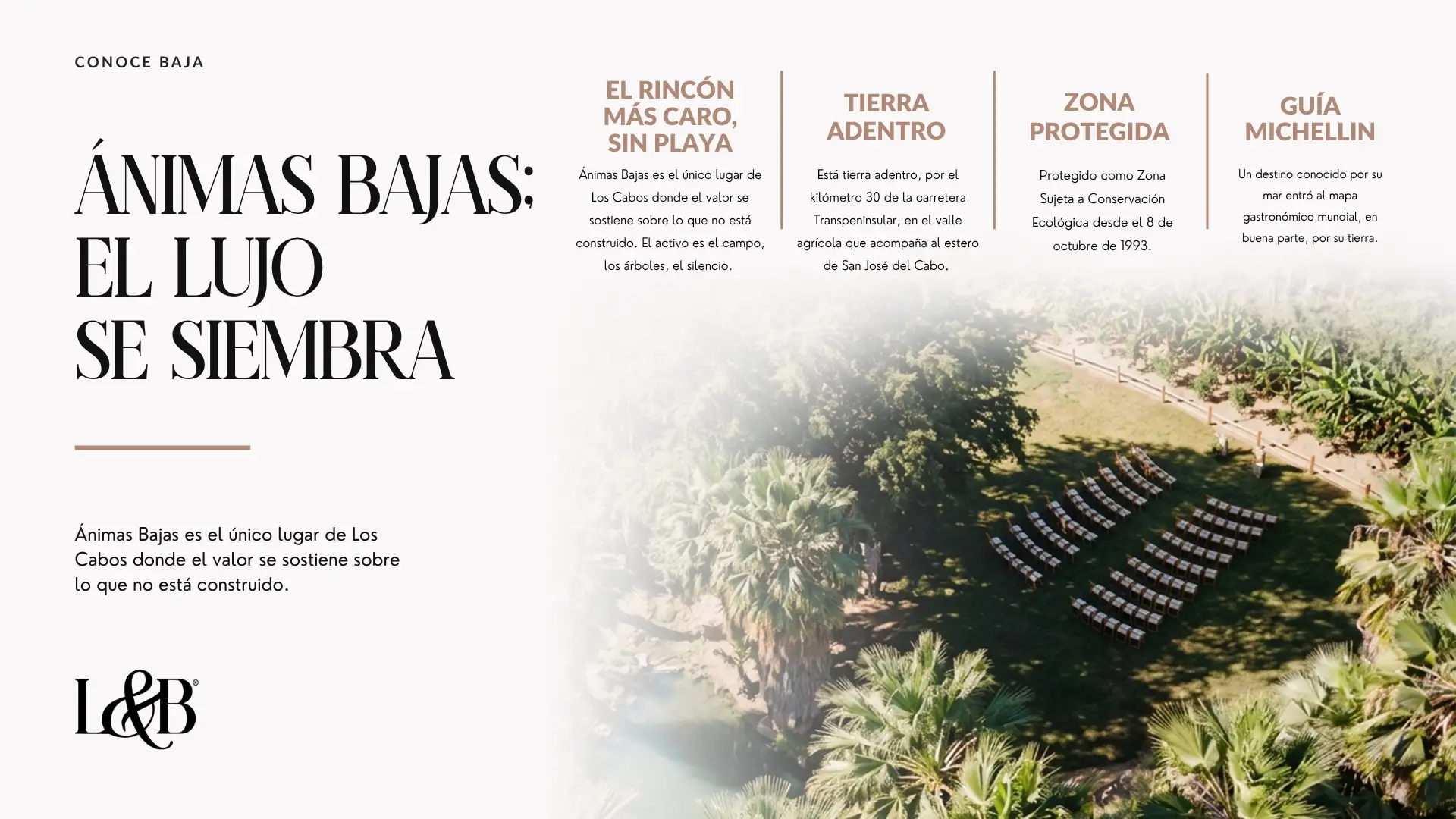
Ánimas Bajas: el lujo se siembra

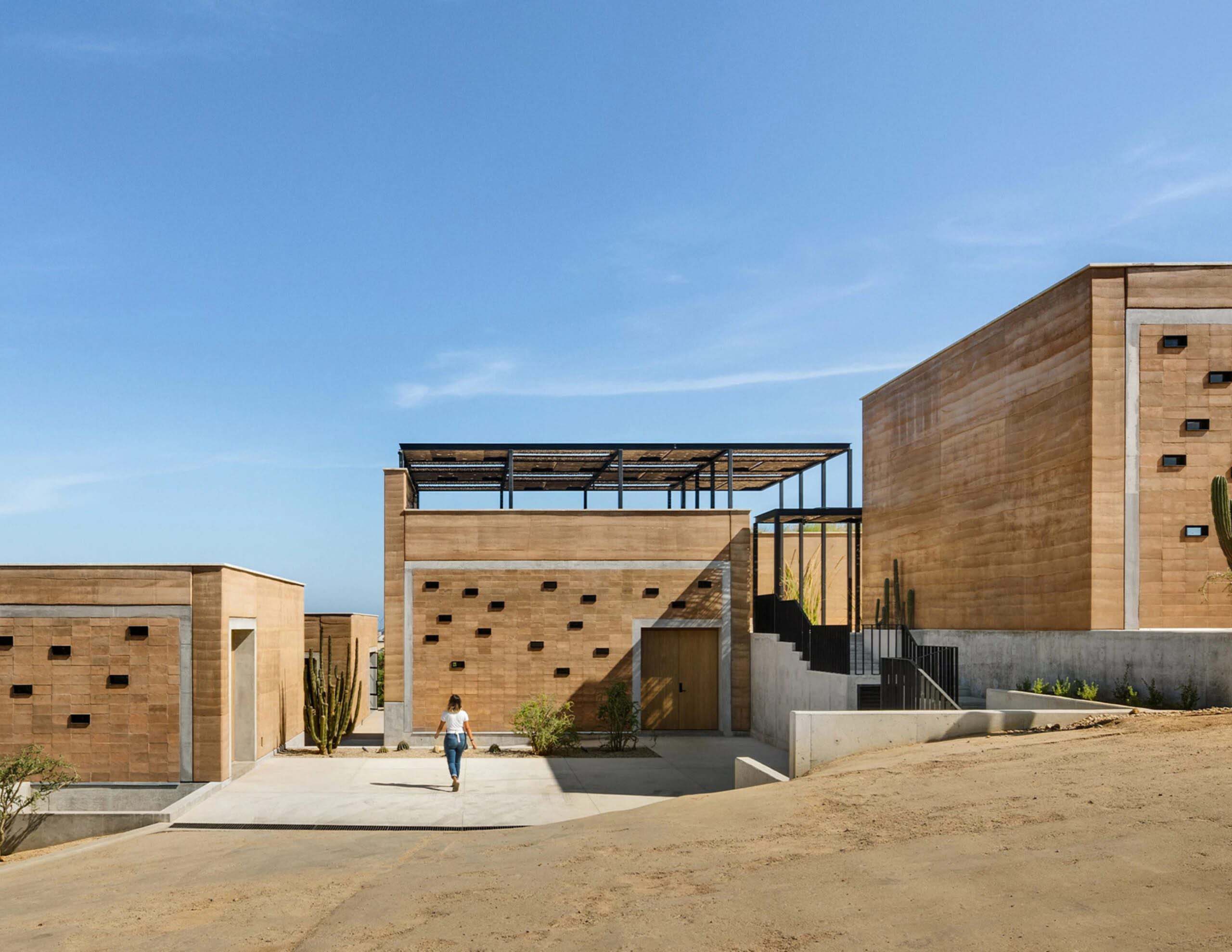
La arquitectura contemporánea atraviesa un momento de redefinición profunda. Ya no basta con proyectar espacios estéticamente impecables ni con resolver necesidades funcionales. La disciplina —especialmente en territorios en transformación como Baja California Sur— enfrenta un reto mayor: traducir cada decisión de diseño en un impacto social real.
Hoy, hablar de arquitectura responsable implica reconocer que cada obra construye algo más que metros cuadrados: configura dinámicas comunitarias, modifica patrones de movilidad, influye en el acceso a oportunidades y define la calidad de vida de generaciones enteras. La responsabilidad del arquitecto y del desarrollador comienza mucho antes del render y trasciende la entrega del proyecto.
En esta visión, el proceso se desplaza de lo individual a lo colectivo. Los proyectos que están marcando diferencia combinan análisis urbano, participación comunitaria, sostenibilidad económica y eficiencia ambiental. Son obras que entienden el contexto socio-territorial y que buscan ser parte de la solución a problemas reales: acceso al agua, justicia espacial, inclusión, movilidad eficiente y resiliencia ante el cambio climático.
La arquitectura responsable también exige una mirada honesta hacia la cadena completa: desde la selección de materiales de bajo impacto y proveedores locales, hasta la planeación de espacios que promuevan bienestar psicológico, sentido de comunidad y seguridad. Lo importante no es solo cómo se ve un edificio, sino cómo transforma la vida de quienes lo habitan y de quienes lo rodean.
En Baja California Sur, donde el crecimiento urbano avanza con una velocidad inédita, este enfoque no es un lujo conceptual: es una urgencia. Las ciudades del futuro solo serán sostenibles si la arquitectura deja de ser un ejercicio aislado y se convierte en una herramienta estratégica para construir cohesión social, identidad y equidad.
La verdadera responsabilidad comienza cuando el diseño sale del papel y se enfrenta al territorio. Ahí es donde la arquitectura adquiere su sentido más profundo: ser un agente activo de transformación social.
Contemporary architecture is undergoing a period of profound redefinition. It is no longer enough to design aesthetically impeccable spaces or to meet functional needs. The discipline—especially in areas undergoing transformation such as Baja California Sur—faces a greater challenge: translating every design decision into a real social impact.
Today, talking about responsible architecture means recognizing that each project builds more than just square meters: it shapes community dynamics, modifies mobility patterns, influences access to opportunities, and defines the quality of life for entire generations. The responsibility of the architect and developer begins long before the rendering and transcends the delivery of the project.
In this vision, the process shifts from the individual to the collective. Projects that are making a difference combine urban analysis, community participation, economic sustainability, and environmental efficiency. They are works that understand the socio-territorial context and seek to be part of the solution to real problems: access to water, spatial justice, inclusion, efficient mobility, and resilience to climate change.
Responsible architecture also requires an honest look at the entire chain: from the selection of low-impact materials and local suppliers to the planning of spaces that promote psychological well-being, a sense of community, and safety. What matters is not only how a building looks, but how it transforms the lives of those who inhabit it and those around it.
In Baja California Sur, where urban growth is advancing at an unprecedented rate, this approach is not a conceptual luxury: it is an urgent necessity. The cities of the future will only be sustainable if architecture ceases to be an isolated exercise and becomes a strategic tool for building social cohesion, identity, and equity.
True responsibility begins when the design leaves the drawing board and faces the territory. That is where architecture acquires its deepest meaning: to be an active agent of social transformation.