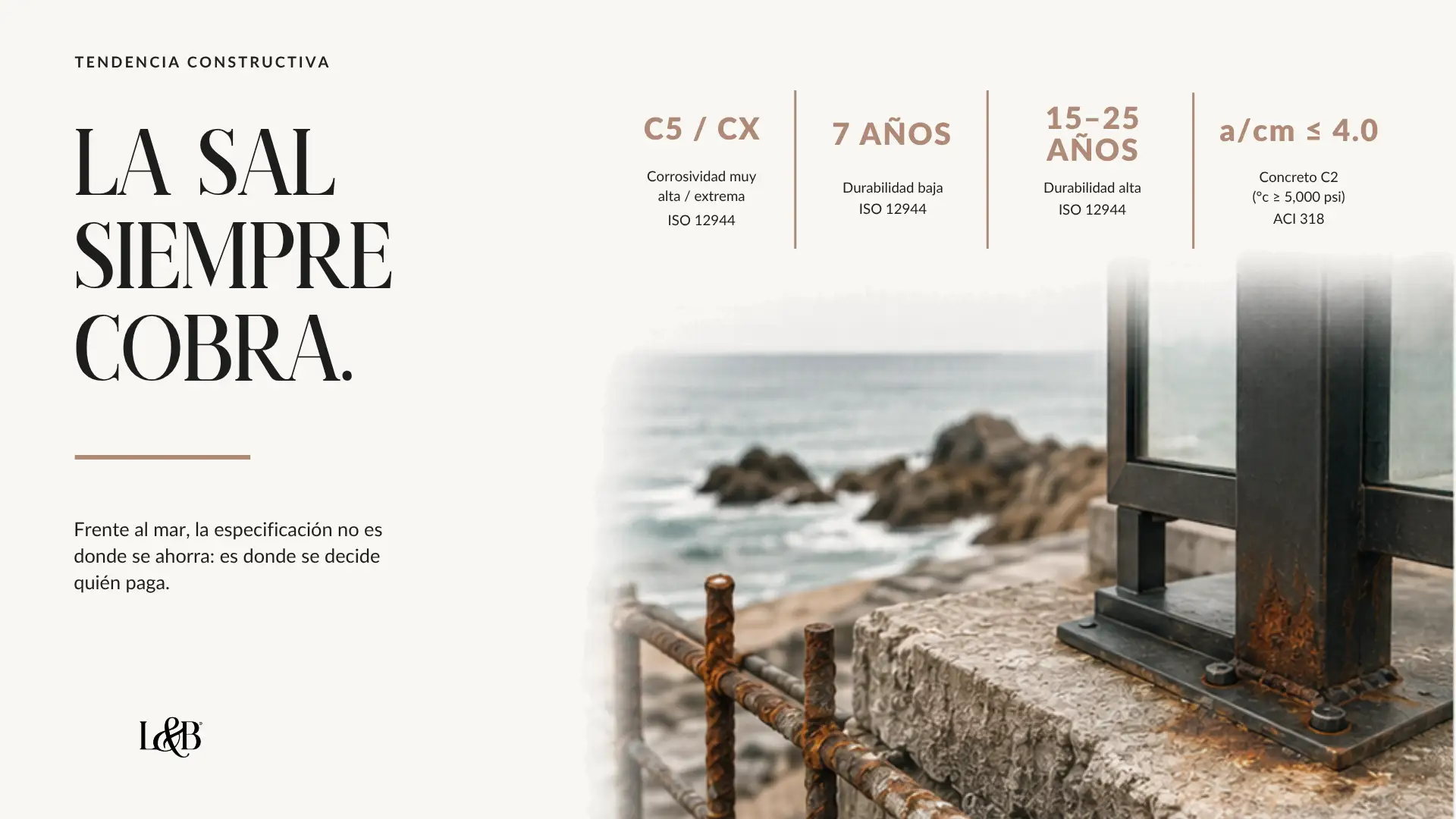
La sal siempre cobra

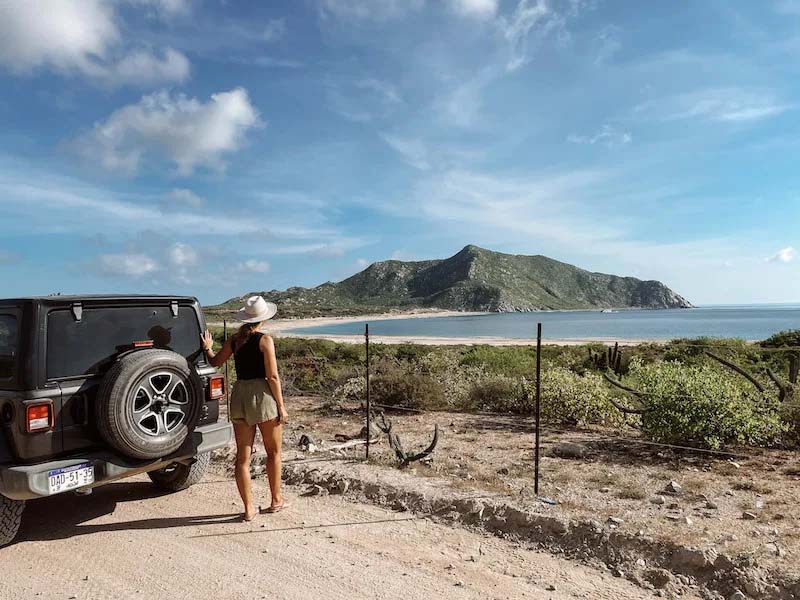
Las vacaciones no siempre implican ir lejos.
A veces, el verdadero descanso ocurre cuando dejamos de transitar los mismos caminos en automático y volvemos a mirar el lugar que habitamos como si fuera nuevo.
Durante el resto del año, las ciudades se convierten en trayectos: casa–trabajo, trabajo–obra, obra–reunión. Habitamos el territorio, pero rara vez lo observamos. Lo cruzamos, lo usamos, lo resolvemos. Y sin darnos cuenta, dejamos de sentirlo.
Por eso, los días de descanso tienen un poder particular: suspenden la urgencia. Nos devuelven el tiempo. Y con él, la posibilidad de reconectar con el lugar que llamamos hogar.
Ser turista en tu propio destino no significa consumirlo como visitante, sino habitarlo con curiosidad. Caminar sin rumbo, detenerse donde normalmente no se hace, entrar a espacios que siempre están ahí pero nunca visitamos. Es mirar la arquitectura sin prisa, sentir cómo la luz cae sobre los muros, escuchar el sonido del viento, reconocer el paisaje como parte de la vida cotidiana.
En destinos como los nuestros, diseñados para ser admirados por otros, esta experiencia es aún más reveladora. Vivimos en territorios que el mundo reconoce como paraísos, pero que quienes los habitan suelen experimentar bajo la presión de la rutina. Las vacaciones nos permiten invertir esa lógica: vivir el destino, no solo gestionarlo.
Y en ese ejercicio ocurre algo esencial: el territorio se vuelve personal.
Cuando caminamos una ciudad como turistas atentos, entendemos mejor sus escalas, sus ritmos, sus contrastes. Descubrimos rincones que explican su identidad, espacios que funcionan bien y otros que revelan carencias. Observar sin prisa también es una forma de aprender. Y, para quienes diseñan, construyen o desarrollan, aprender del territorio es una responsabilidad profesional.
Porque no se puede proyectar bien un lugar que no se conoce íntimamente.
No se puede desarrollar con sensibilidad un espacio que solo se mide en números.
Descansar también es una forma de conciencia. Al bajar el ritmo, entendemos cómo la ciudad respira, cómo se comportan sus espacios públicos, qué zonas invitan al encuentro y cuáles expulsan. La pausa revela lo que la velocidad oculta.
En estos días, ser turista en tu propio destino es un acto casi subversivo: elegir el tiempo lento en un mundo que premia la prisa. Es recuperar el placer de estar, de mirar, de pertenecer.
Quizá por eso, al final de las vacaciones, no regresamos solo más descansados, sino también más conectados. Con el territorio. Con la ciudad. Con el lugar que elegimos —o que nos eligió— para vivir.
Porque el verdadero lujo no siempre está en viajar lejos,
sino en aprender a habitar profundamente donde ya estamos.
Be a Tourist in Your Own Destination: The luxury of experiencing a place without haste
Vacation does not always mean going far away.
Sometimes, true rest begins when we stop moving through the same paths on autopilot and allow ourselves to see the place we inhabit as if it were new.
For most of the year, cities become routines: home to work, work to site, site to meeting. We inhabit the territory, but rarely observe it. We cross it, use it, manage it. And without realizing it, we stop truly feeling it.
That is why days of rest hold a particular power: they suspend urgency. They give time back to us. And with time comes the possibility of reconnecting with the place we call home.
Being a tourist in your own destination does not mean consuming it as a visitor, but inhabiting it with curiosity. Walking without a fixed purpose, pausing where we usually do not, entering spaces that have always been there but are rarely explored. It means observing architecture without haste, noticing how light falls on walls, listening to the wind, recognizing the landscape as part of everyday life.
In destinations like ours—designed to be admired by others—this experience becomes even more revealing. We live in territories the world recognizes as paradises, yet those who inhabit them often experience them under the weight of routine. Vacation allows us to reverse that logic: to live the destination, not merely manage it.
And in doing so, something essential happens: the territory becomes personal.
When we walk a city as attentive tourists, we better understand its scales, its rhythms, its contrasts. We discover corners that explain its identity, spaces that function well, and others that reveal what is missing. Observing without haste is also a form of learning. And for those who design, build, or develop, learning from the territory is a professional responsibility.
Because it is impossible to design a place well without knowing it intimately.
It is impossible to develop with sensitivity a space measured only in numbers.
Rest is also a form of awareness. By slowing down, we begin to understand how a city breathes, how its public spaces behave, which areas invite connection and which ones push people away. The pause reveals what speed tends to hide.
In these days, being a tourist in your own destination becomes a quietly radical act: choosing slowness in a world that rewards speed. It is about reclaiming the pleasure of being, observing, and belonging.
Perhaps that is why, when vacation ends, we return not only more rested, but also more connected—to the territory, to the city, to the place we chose, or that chose us, as home.
Because true luxury does not always lie in traveling far,
but in learning to deeply inhabit where we already are.