Vendida sin pisarla

La Navidad no llega con planos, ni con renders, ni con metros cuadrados.
Llega con silencios compartidos, mesas largas, conversaciones que se repiten cada año y la sensación —cada vez más valiosa— de estar en casa.
En una industria obsesionada con el crecimiento, la plusvalía y la velocidad, diciembre nos obliga a hacer una pausa incómoda pero necesaria: preguntarnos para quién estamos construyendo.
Porque una casa no empieza cuando se coloca la primera piedra, sino cuando alguien imagina su vida dentro de ella.
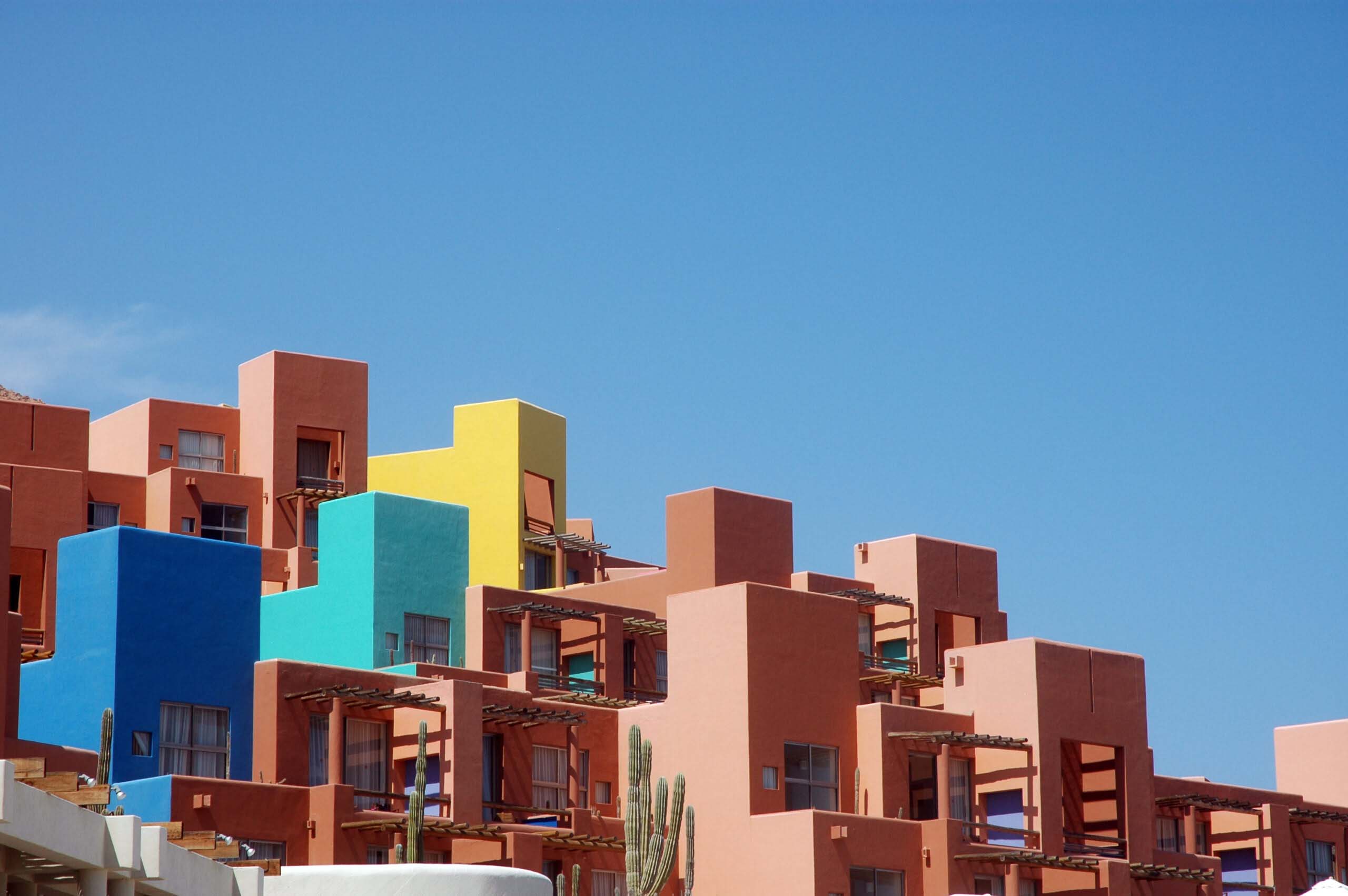
Durante décadas, el desarrollo inmobiliario fue sinónimo de expansión: más proyectos, más densidad, más cifras. Pero hoy, frente a ciudades que crecen más rápido que sus vínculos, el concepto de “hogar” vuelve al centro de la conversación. Ya no basta con construir espacios funcionales o estéticamente impecables; el reto es crear lugares que sostengan la vida familiar, que acompañen rutinas reales, que permitan el descanso, el encuentro y la permanencia.
La casa como refugio.
La casa como escenario de lo cotidiano.
La casa como punto de anclaje emocional.
En fechas como esta, entendemos que el valor de un espacio no está en su espectacularidad, sino en su capacidad de reunir. De albergar generaciones. De adaptarse al paso del tiempo. Una casa exitosa no es la que se presume, sino la que se habita plenamente.
Y aquí surge una reflexión inevitable: ¿qué tipo de desarrollo estamos promoviendo cuando olvidamos a la familia como núcleo?
Las ciudades no se construyen solo con concreto, vialidades o infraestructura; se construyen con relaciones humanas. Cuando los desarrollos se diseñan de espaldas a la vida familiar —lejos de escuelas, servicios, espacios públicos o redes comunitarias— el costo no es solo urbano: es social. Familias fragmentadas por traslados interminables, hogares convertidos en simples dormitorios, comunidades sin identidad ni arraigo.
El desarrollo responsable empieza cuando entendemos que una casa no es un producto, sino un proceso. Un proceso que acompaña ciclos de vida: infancia, adolescencia, adultez, vejez. Que acepta el desorden, el cambio, la improvisación. Que no busca imponer un estilo de vida aspiracional, sino permitir uno auténtico.
Hoy, los proyectos que realmente marcarán el futuro son aquellos que entienden la vivienda como un sistema vivo: conectado con su entorno, sensible al clima, al paisaje y a la cultura local. Espacios que respetan el territorio, pero también el tiempo de las personas. Porque no hay lujo más grande que compartir tiempo de calidad en un lugar que se siente propio.
La Navidad nos recuerda algo que la industria suele olvidar: el desarrollo no es un fin en sí mismo. Es un medio. Un medio para construir bienestar, estabilidad y sentido de pertenencia.
Quizá por eso, cada diciembre, regresamos —literal o simbólicamente— al mismo lugar. A la casa de siempre. A la mesa conocida. A los rituales que nos devuelven identidad. Porque, al final, no importa cuántas ciudades construyamos si no somos capaces de crear hogares.
Que esta temporada nos invite a repensar el desarrollo desde lo esencial:
desde la familia, desde la casa, desde la vida que sucede dentro.
Porque construir bien no es solo edificar espacios.
Es construir futuro con humanidad.
When a House Becomes a Home
Family, territory, and the true meaning of development
Christmas does not arrive with blueprints, renderings, or square footage.
It arrives with shared silences, long tables, conversations repeated year after year, and the increasingly rare feeling of being home.
In an industry obsessed with growth, returns, and speed, December forces an uncomfortable yet necessary pause: to ask ourselves who we are really building for.
Because a home does not begin when the first stone is laid, but when someone imagines a life unfolding inside it.
For decades, real estate development was synonymous with expansion—more projects, higher density, bigger numbers. Today, however, as cities grow faster than their social bonds, the concept of home returns to the center of the conversation. It is no longer enough to create functional or visually striking spaces; the real challenge lies in designing places that support family life, that accommodate real routines, that allow rest, connection, and continuity.
The house as refuge.
The house as the stage of everyday life.
The house as an emotional anchor.
At this time of year, we are reminded that the true value of a space is not found in its spectacle, but in its ability to bring people together. To shelter generations. To adapt over time. A successful home is not the one that is showcased, but the one that is fully lived in.
And here, an unavoidable question emerges: what kind of development are we promoting when family is left out of the equation?
Cities are not built solely with concrete, roads, or infrastructure; they are built through human relationships. When developments are designed with their backs turned to family life—far from schools, services, public spaces, or community networks—the cost is not only urban, but social. Families fractured by endless commutes. Homes reduced to mere sleeping quarters. Communities without identity or sense of belonging.
Responsible development begins when we understand that a house is not a product, but a process. A process that accompanies life cycles—childhood, adolescence, adulthood, old age. One that accepts disorder, change, and improvisation. One that does not impose an aspirational lifestyle, but instead allows for an authentic one.
The projects that will truly define the future are those that understand housing as a living system: connected to its environment, sensitive to climate, landscape, and local culture. Spaces that respect the territory, but also the time of those who inhabit them. Because there is no greater luxury than sharing meaningful time in a place that feels truly one’s own.
Christmas reminds us of something the industry too often forgets: development is not an end in itself. It is a means. A means to build well-being, stability, and a sense of belonging.
Perhaps that is why, every December, we return—literally or symbolically—to the same place. To the familiar house. To the known table. To the rituals that restore our identity. Because, in the end, it does not matter how many cities we build if we fail to create homes.
May this season invite us to rethink development from what truly matters:
from family, from home, from the life that unfolds within.
Because building well is not just about constructing spaces.
It is about building a more humane future.