Sin alertas ciclónicas·Temporada jun–nov · Sin sistemas activos en el Pacífico Este
USD/MXNEUR/MXNCAD/MXN
|
☀ 28°C·≈ 18 km/h NW·Oleaje 1.2 m
|
Sin alertas ciclónicas·USD/MXN·EUR/MXN·CAD/MXN·28°C · 18 km/h NW · Oleaje 1.2 m·Sin alertas ciclónicas·USD/MXN·EUR/MXN·CAD/MXN·28°C · 18 km/h NW · Oleaje 1.2 m·

Arquitectura de paisaje: cuando el terreno diseña contigo

marzo 2, 2026
Compartir en:
Siempre he creído que el futuro del desarrollo no se construye únicamente con planos, sino con la capacidad de escuchar el silencio del territorio. En Baja California Sur, esa idea se vuelve evidente: aquí, cada trazo del paisaje te recuerda que no diseñamos sobre una hoja en blanco, sino sobre una geografía con memoria, con lógicas propias y con un carácter que se impone con elegancia. La arquitectura de paisaje, en este contexto, deja de ser un complemento y se convierte en un acto de diálogo.

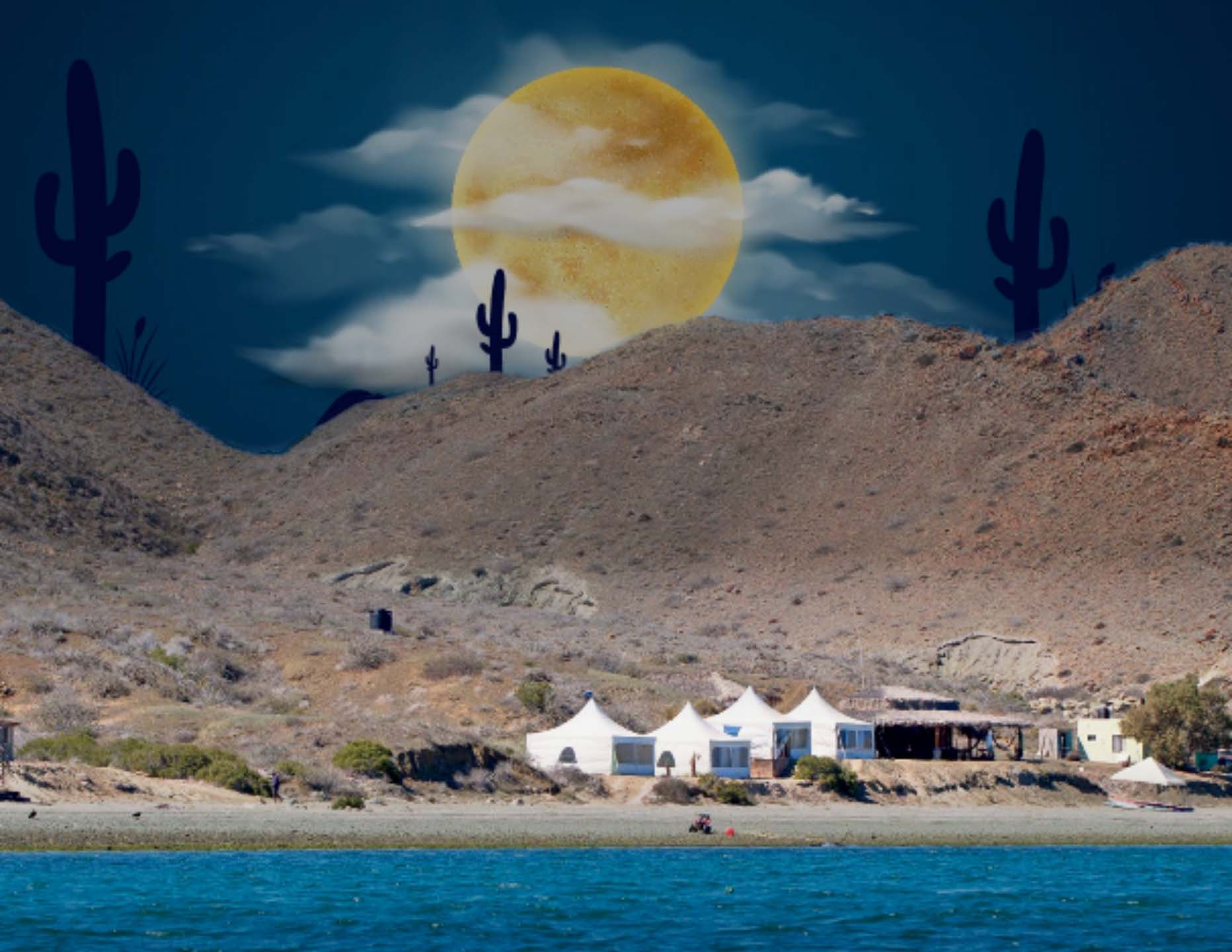
Caminar por un predio en la península es descubrir que el terreno habla. Te sugiere dónde abrir un sendero, dónde permitir que la luz guíe la experiencia, dónde un cardón solitario puede marcar el inicio de una secuencia espacial. Cuando diseño en esta región, siento que el territorio se vuelve coautor: sus pendientes dictan la orientación, sus vientos moldean las decisiones y sus vistas enmarcan los espacios. No se trata de domesticar el terreno, sino de permitir que éste revele la mejor
versión.

La arquitectura contemporánea ha llegado a un punto en el que la integración ecológica ya no es opcional, sino una necesidad. Los desarrollos del futuro deberán restaurar más de lo que transforman y comprender que cada intervención modifica sistemas vivos. En Baja California Sur lo vemos claro: los suelos frágiles, los humedales, las dunas y las laderas nos obligan a anticipar escenarios climáticos, a cuidar la infiltración de agua y a proteger los corredores biológicos. Si no diseñamos con el terreno, lo diseñamos contra él.

Los proyectos que mejor representan el porvenir son aquellos que abrazan la naturaleza y la utilizan como herramienta de diseño. Senderos que siguen curvas naturales, plataformas que se adaptan a la topografía, jardines nativos que funcionan como microecosistemas y espacios exteriores que se convierten en extensiones habitables del paisaje. Cuando la arquitectura se vuelve aliada del territorio, ocurre algo poderoso: el usuario no solo habita un espacio, sino que habita un lugar.

La verdadera innovación, lo he confirmado una y otra vez, está en aprender a mirar. En reconocer que el paisaje no necesita adornos, sino respeto. En entender que el desarrollo más sofisticado del futuro será aquel capaz de integrarse, regenerar y pertenecer. Aquí, en este territorio donde el desierto se une al mar, el paisaje siempre diseña primero. Nosotros simplemente seguimos su trazo.

Landscape architecture: when the terrain designs with you

I have always believed that the future of development is not built solely on plans, but on the ability to listen to the silence of the land. In Baja California Sur, this idea becomes evident: here, every stroke of the landscape reminds you that we do not design on a blank sheet of paper, but on a geography with memory, with its own logic and with a character that imposes itself with elegance.
Landscape architecture, in this context, ceases to be a complement and becomes an act of dialogue.

Walking through a property on the peninsula is to discover that the land speaks. It suggests where to open a path, where to allow light to guide the experience, where a solitary cardon cactus can mark the beginning of a spatial sequence. When I design in this region, I feel that the territory becomes a co-author: its slopes dictate the orientation, its winds shape the decisions, and its views frame the spaces. It is not about taming the terrain, but about allowing it to reveal its best version.

Contemporary architecture has reached a point where ecological integration is no longer optional, but a necessity. Future developments must restore more than they transform and understand that every intervention modifies living systems.
In Baja California Sur, we see this clearly: fragile soils, wetlands, dunes, and hillsides force us to anticipate climate scenarios, take care of water infiltration, and protect biological corridors. If we don’t design with the terrain, we design against it.

The projects that best represent the future are those that embrace nature and use it as a design tool. Paths that follow natural curves, platforms that adapt to the topography, native gardens that function as microecosystems, and outdoor spaces that become habitable extensions of the landscape. When architecture becomes an ally of the territory, something powerful happens: the user not only inhabits a space, but inhabits a place.

True innovation, I have confirmed time and time again, lies in learning to look. In recognizing that the landscape does not need embellishment, but respect. In understanding that the most sophisticated development of the future will be one that is capable of integrating, regenerating, and belonging. Here, in this territory where the desert meets the sea, the landscape always designs first. We simply follow its lead.


ARTÍCULOS RELACIONADOS