Donde termina la tierra, comienza la historia
Nací en un lugar que durante mucho tiempo no aparecía en ningún mapa importante. El extremo sur de la península de Baja California...
Nací en un lugar que durante mucho tiempo no aparecía en ningún mapa importante. El extremo sur de la península de Baja California, donde el Mar de Cortés y el Pacífico se encuentran sin pedirse permiso. Un cabo, literalmente, el borde. Lo que hay después del último camino.
Aquí no había glamour. Había sal, polvo, sol y voluntad.
Los pescadores salían antes del amanecer porque el mar no espera. Las familias sembraban lo que la tierra seca y generosa permitía. Los niños crecíamos sabiendo que vivíamos lejos de todo, y que esa lejanía era también nuestra fortaleza. No teníamos de todo, pero teníamos algo que pocas ciudades del mundo pueden presumir, un sentido de lugar. Una identidad tallada por el viento y el desierto, no diseñada por ningún arquitecto ni consultora de marca.
San José del Cabo tenía su misión, su plaza, su tiempo propio. Cabo San Lucas tenía su puerto y sus cantos. Entre los dos, el corredor era milpa, montañas y silencio.
Luego llegó el mundo.
Y hay que decirlo con honestidad, llegó bien. Los Cabos supo abrirse sin entregarse. La inversión vino, los hoteles crecieron, los vuelos directos conectaron nuestra punta de tierra con las ciudades más ricas del planeta. Hoy competimos en la misma conversación que Marbella, los Hamptons, y destinos de talla mundial. El mercado inmobiliario de lujo no para. Los restaurantes figuran en listas internacionales. Los campos de golf llevan firmas de leyendas.
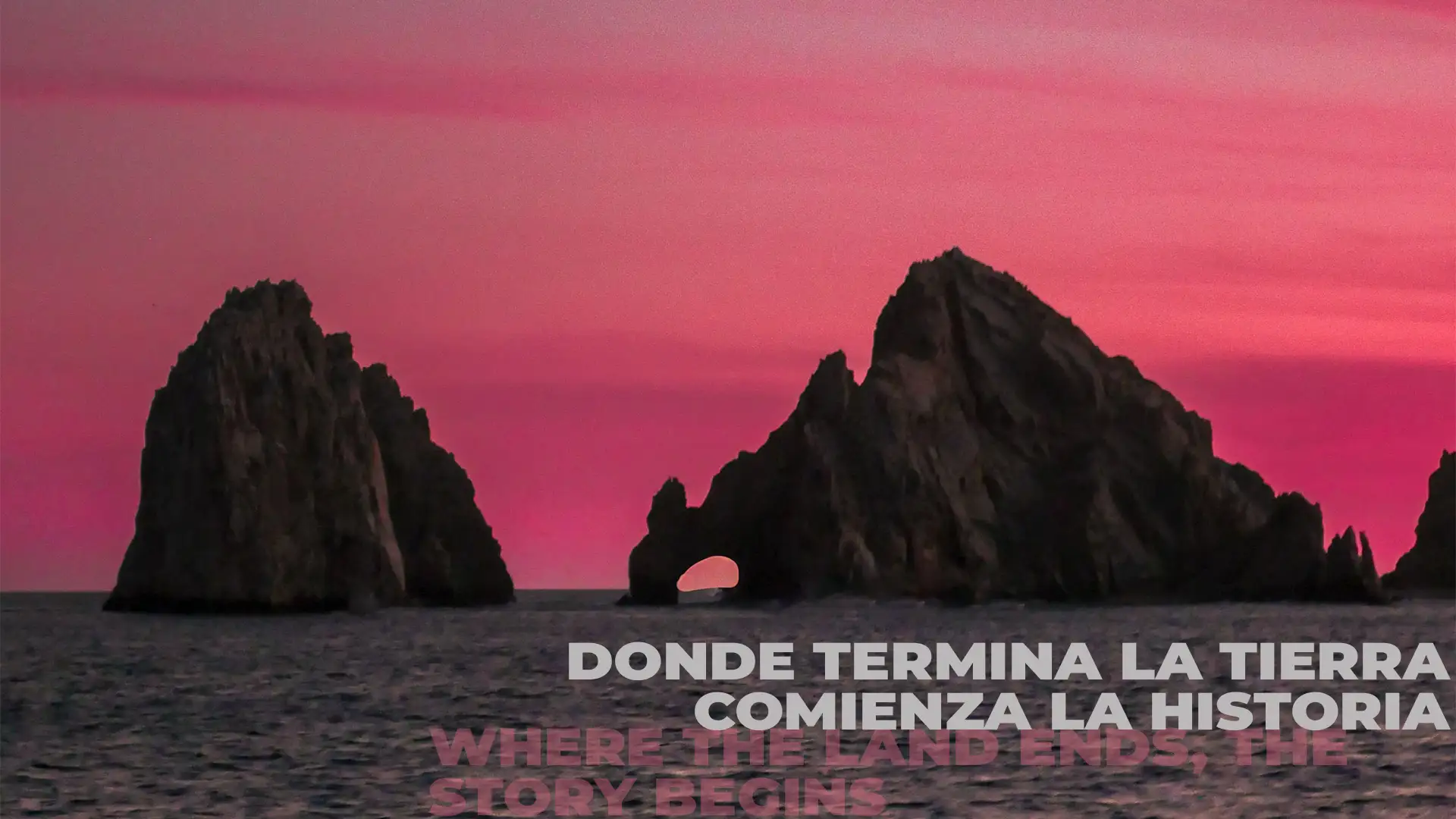
Pero nuestro Arco sigue siendo el Arco.
Nadie lo construyó. Nadie lo diseñó para atraer turistas. Lleva millones de años ahí, formado por el agua y el tiempo, indiferente a los precios por metro cuadrado. Es una de las imágenes más reconocidas de México y Latinoamérica y es nuestra. De aquí. De este rincón que mucha gente durante décadas consideró el fin de la línea.
Lo que hemos construido los cabeños no es solo un destino. Es una demostración de que la identidad y el progreso no son enemigos. Que se puede recibir al mundo sin dejar de ser uno mismo. Que el orgullo de origen no es nostalgia, sino nuestra columna vertebral.
Hoy vivo y trabajo en Los Cabos por elección, no por inercia. Conozco otros lados. He visto otros mundos. Y sigo eligiendo esta tierra porque tiene algo que no se replica, su carácter. El mar que parte en dos al horizonte. El desierto que florece cuando llueve. La gente Choyera que trabaja duro y celebra la vida con más ganas todavía.
Los Cabos no se hizo grande por accidente. Se hizo grande porque su gente aprendió, desde siempre, a hacer mucho con poco. A construir en tierra difícil. A convertir el borde del mapa en el centro de algo que vale la pena.
El mundo llegó hasta aquí porque aquí había algo que encontrar.
Siempre lo hubo. Y esto, apenas es el comienzo.
Alberto A. Alvarado Aragón
I was born in a place that for a long time didn't appear on any important map. The southern tip of the Baja California Peninsula, where the Sea of Cortez and the Pacific meet without asking permission. A cape — literally, the edge. What lies beyond the last road.
There was no glamour here. There was salt, dust, sun, and will.
Fishermen went out before dawn because the sea doesn't wait. Families grew what the dry but generous land allowed. We children grew up knowing we lived far from everything — and that this distance was also our strength. We didn't have everything, but we had something few cities in the world can claim: a sense of place. An identity carved by wind and desert, not designed by any architect or branding firm.
San José del Cabo had its mission church, its plaza, its own unhurried pace. Cabo San Lucas had its harbor and its songs. Between the two, the corridor was milpa fields, mountains, and silence.
Then the world arrived.
And in all honesty, it arrived well. Los Cabos knew how to open its doors without giving itself away. Investment came, hotels rose, direct flights connected this tip of land to the wealthiest cities on the planet. Today we compete in the same conversation as Marbella, the Hamptons, and other world-class destinations.
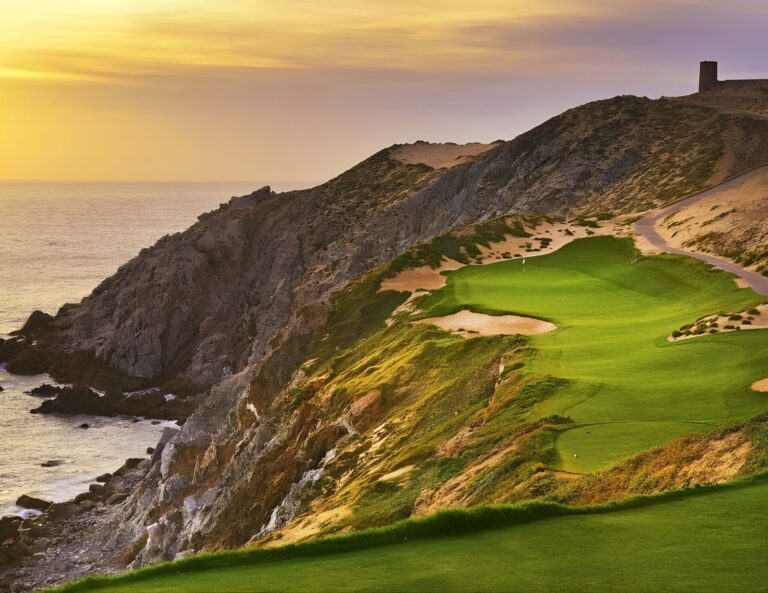
The luxury real estate market never stops. Our restaurants appear on international lists. Our golf courses carry the signatures of legends.
But our Arch is still the Arch.
No one built it. No one designed it to attract tourists. It has stood for millions of years, shaped by water and time, indifferent to price per square foot. It is one of the most recognized images in Mexico and Latin America — and it is ours. From here. From this corner that many people, for decades, considered the end of the line.
What we Cabeños have built is not just a destination. It is proof that identity and progress are not enemies. That you can welcome the world without losing yourself. That pride in our origins is not nostalgia — it is our backbone.
Today I live and work in Los Cabos by choice, not by inertia. I have been elsewhere. I have seen other worlds. And I keep choosing this land because it has something that cannot be replicated: its character. The sea splitting the horizon in two. The desert blooming after rain. The Choyero spirit — people who work hard and celebrate life even harder.
Los Cabos didn't become great by accident. It became great because its people learned, from the very beginning, to do a great deal with very little. To build on difficult terrain. To turn the edge of the map into the center of something worth finding.
The world came all the way here because there was something here to find.
There always was. And this is only the beginning.
Alberto A. Alvarado Aragón