
Ánimas Bajas: el lujo se siembra

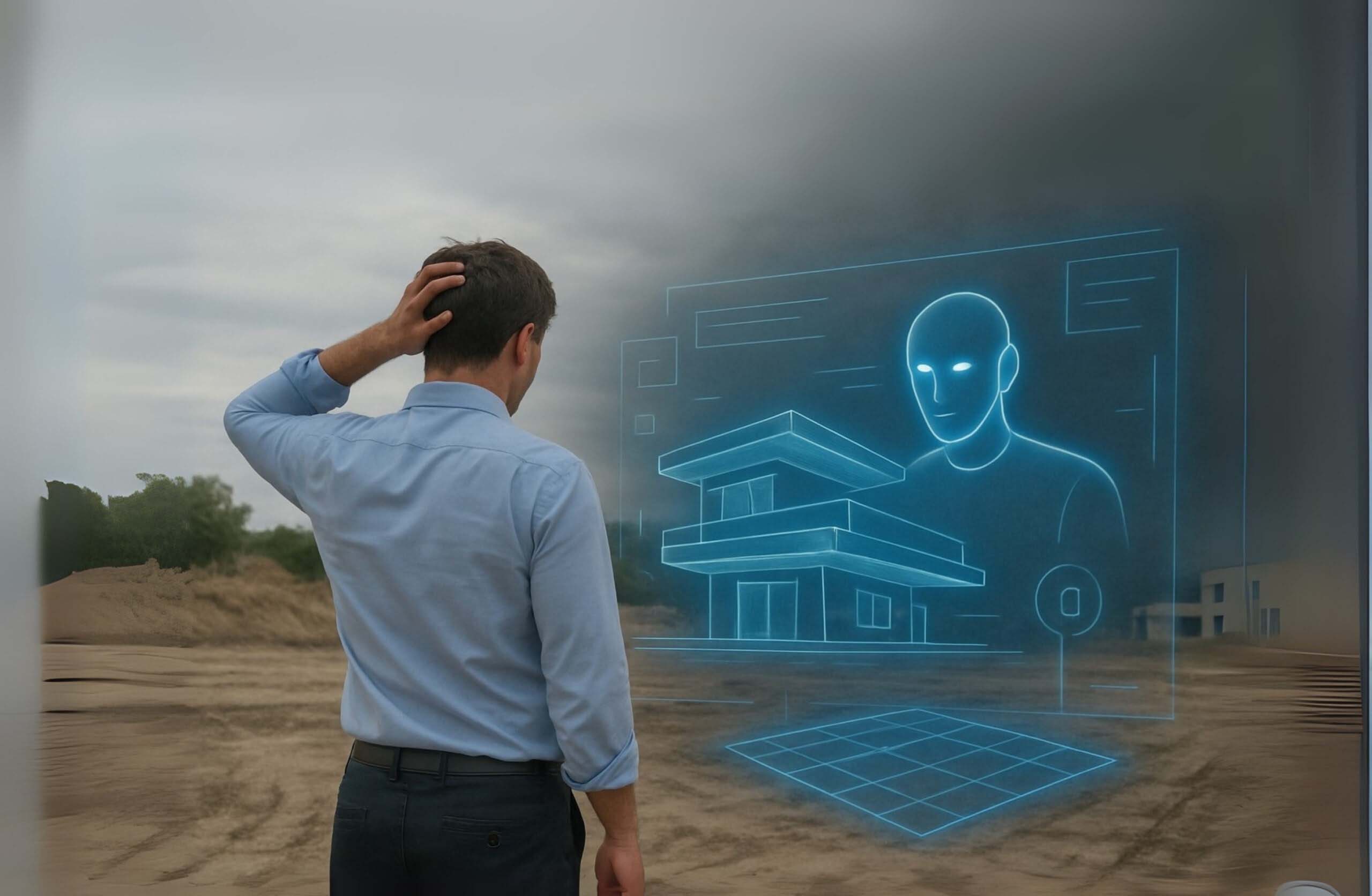
Durante décadas, el lápiz fue el primer canal de ideas para un arquitecto. Hoy, en pleno auge tecnológico, el primer trazo puede nacer desde un prompt. Pero no nos confundamos: que una máquina genere imágenes o planos preliminares no significa que la creatividad haya sido reemplazada. Al contrario, la inteligencia artificial se está convirtiendo en una herramienta que amplifica el potencial del arquitecto, sin sustituir su talento.
La inteligencia artificial está transformando la forma en que se conciben los espacios. Con tan solo unas líneas de texto, un profesional puede visualizar ideas en segundos, probar estilos, materiales o entornos, o incluso simular el comportamiento ambiental de un edificio. Esto abre una puerta a la experimentación rápida y al diseño iterativo como nunca antes.
Sin embargo, por mucho que la tecnología avance, la chispa creativa sigue siendo humana. La IA no sueña, no recuerda olores de infancia, no ha vivido una ciudad, ni ha sentido el peso emocional de un espacio. La visión del arquitecto —formada por su historia, su sensibilidad y su criterio estético— es lo que realmente da valor a cualquier proyecto.
Cada día son más los despachos y diseñadores que integran IA generativa en su flujo de trabajo. Y no es casualidad. Esta tecnología ayuda a ahorrar tiempo, permite liberar al equipo de tareas repetitivas y ofrece nuevos ángulos de exploración formal. El resultado: más tiempo para pensar, menos horas perdidas en versiones que no llegarán a nada.
Pero aquí hay un matiz importante: la herramienta no toma decisiones por sí sola. Es el arquitecto quien debe saber qué pedirle, cómo evaluar lo que entrega y, sobre todo, qué conservar y qué descartar. No se trata de dejar que la IA diseñe, sino de enseñarle a colaborar.
En redes sociales abundan imágenes generadas por IA de edificios imposibles, formas seductoras y renders que parecen salidos del futuro. Pero lo visual no siempre es viable. Muchos de estos resultados no pueden construirse, no cumplen normativas ni contemplan factores contextuales o estructurales.
Es ahí donde el arquitecto debe poner su ojo crítico. La IA puede generar, pero no puede razonar ni contextualizar. No conoce el clima local, el presupuesto del cliente o la experiencia de habitar un lugar. Esa lectura sensible, cultural y técnica sigue siendo —y seguirá siendo— responsabilidad humana.
Adoptar herramientas como Midjourney, DALL·E, LookX o Hypar puede ser un paso valioso para cualquier arquitecto que quiera explorar nuevos caminos o simplemente optimizar su tiempo. Pero esta adopción debe venir acompañada de una reflexión: la IA no reemplaza la intuición, solo la acelera.
El futuro del diseño arquitectónico no será ni completamente humano ni totalmente artificial, sino profundamente híbrido. Un equilibrio entre técnica y emoción, entre datos y experiencia, entre algoritmos y alma.
Porque al final del día, lo que verdaderamente transforma el espacio en arquitectura no es la herramienta, sino la intención detrás del trazo.
From Pencil to Prompt: How AI Enhances Architectural Creativity
For decades, the pencil was the architect’s primary channel for ideas. Today, in the midst of a technological boom, the first sketch can emerge from a prompt. But let’s not get confused: just because a machine can generate images or preliminary plans doesn’t mean creativity has been replaced. On the contrary, artificial intelligence is becoming a tool that amplifies the architect’s potential — without replacing their talent.
Artificial intelligence is transforming the way spaces are conceived. With just a few lines of text, a professional can visualize ideas in seconds, explore styles, materials, or environments, and even simulate a building’s environmental behavior. This opens the door to rapid experimentation and iterative design like never before.
However, no matter how far technology advances, the creative spark remains human. AI doesn’t dream, doesn’t recall childhood scents, hasn’t walked through a city, or felt the emotional weight of a space. The architect’s vision — shaped by personal history, sensitivity, and aesthetic judgement — is what truly gives value to a project.
Every day, more studios and designers are integrating generative AI into their workflows — and it’s no coincidence. This technology saves time, frees teams from repetitive tasks, and offers new angles for formal exploration. The result: more time to think, fewer hours wasted on unviable drafts.
But here’s the nuance: the tool doesn’t make decisions on its own. It’s the architect who must know what to ask, how to assess what the AI delivers, and most importantly, what to keep and what to discard. This isn’t about letting AI design — it’s about teaching it to collaborate.
Social media is filled with AI-generated images of impossible buildings, seductive shapes, and futuristic renders. But visual appeal doesn’t always mean viability. Many of these results can’t be built, don’t meet regulations, or fail to consider contextual and structural factors.
This is where the architect must apply a critical eye. AI can generate, but it can’t reason or contextualize. It doesn’t understand local climate, client budgets, or the lived experience of a space. That sensitive, cultural, and technical reading remains — and will always remain — a human responsibility.
Adopting tools like Midjourney, DALL·E, LookX, or Hypar can be a valuable step for any architect looking to explore new paths or simply optimize their time. But this adoption must come with reflection: AI doesn’t replace intuition — it accelerates it.
The future of architectural design won’t be fully human or entirely artificial — it will be deeply hybrid. A balance between technique and emotion, between data and experience, between algorithms and soul.
Because at the end of the day, what truly transforms space into architecture is not the tool, but the intention behind the line.