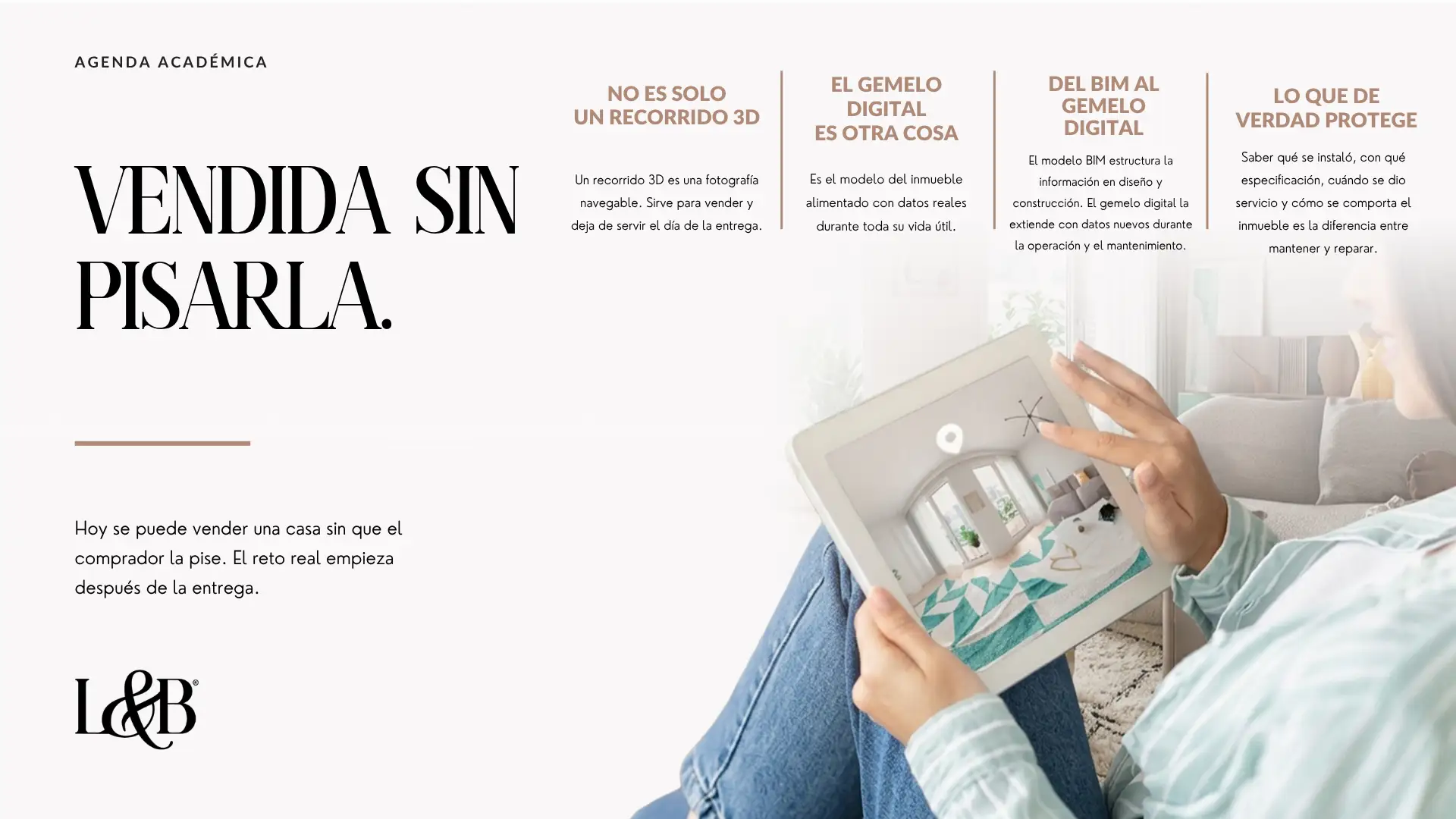
Vendida sin pisarla

Siempre he creído que la arquitectura más memorable no solo se construye, sino que se siente. Y esa sensación, ese pulso casi intangible que hace que un espacio cobre vida, proviene de algo que habíamos dejado de mirar: la mano humana. En esta Edición #13, dedicada al futuro y al desarrollo, decidí abordar una tendencia que vuelve con más fuerza que nunca: el regreso de lo artesanal en la arquitectura contemporánea.
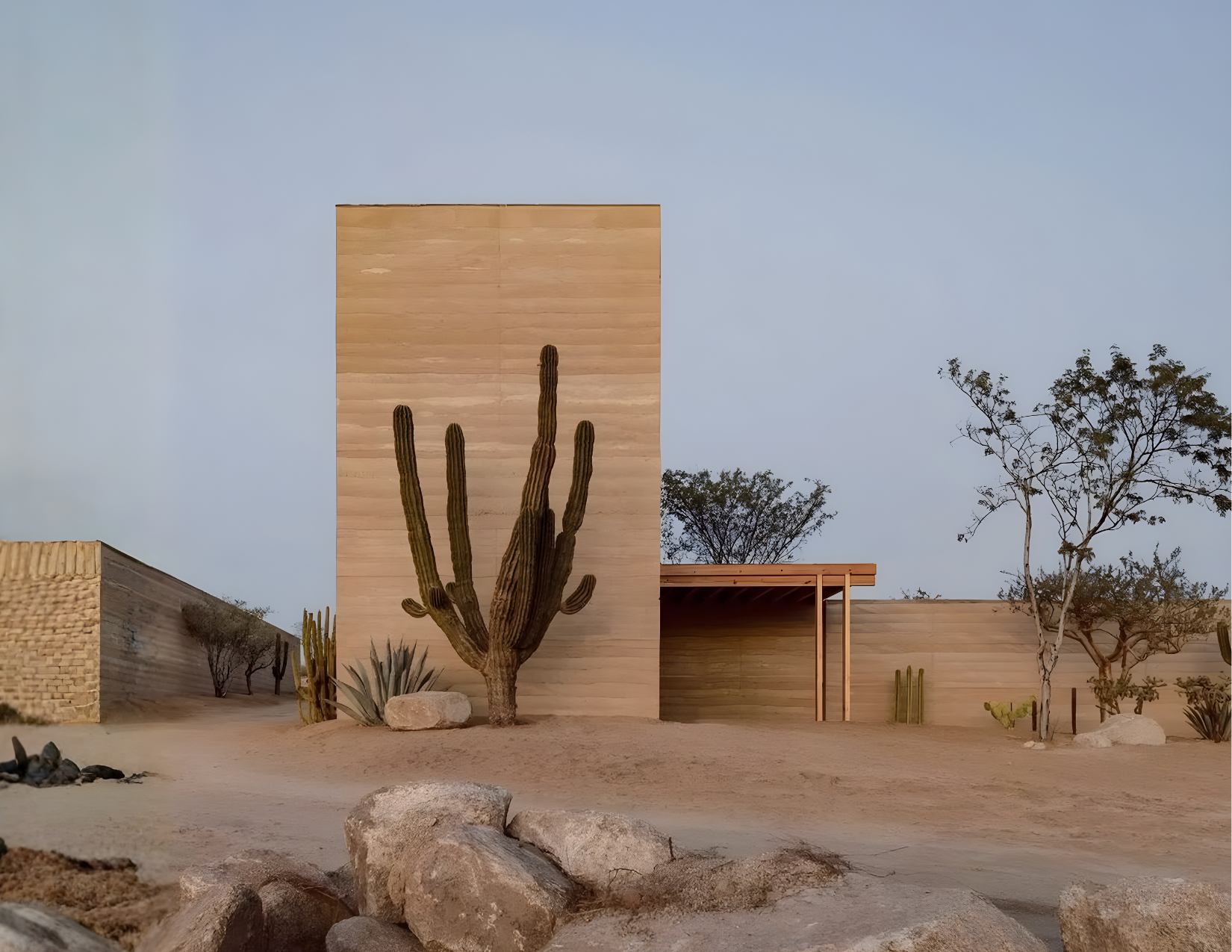
Hoy, en Los Cabos, una región que vive entre la sofisticación del turismo internacional y la esencia profunda del desierto, observo un renacer poderoso: diseñadores, desarrolladores y constructores que regresan a técnicas manuales que creíamos destinadas al pasado. Y no es nostalgia; es evolución consciente.
Desde acabados con tierra compactada hasta muros labrados por artesanos locales, pasando por carpinterías hechas pieza por pieza, esta tendencia responde a un mundo saturado de inmediatez. En una época en la que construir más rápido parecía el objetivo, ahora el valor está en construir mejor, con identidad, con trazos que cuenten historias.
Y sí, incluso desde un enfoque normativo, este movimiento dialoga con una corriente global de sostenibilidad. La Ley General de Asentamientos Humanos y Ordenamiento Territorial señala la importancia de promover técnicas y materiales tradicionales que reduzcan el impacto ambiental (LGHDUOT, Art. 8). México no solo reconoce lo artesanal, sino que lo impulsa.
Una estética que no compite: complementa Lo artesanal ya no es sinónimo de rústico. En Los Cabos, lo vemos fusionado con líneas minimalistas, iluminación contemporánea y estructuras de acero. La tendencia no es reemplazar la tecnología por la tradición, sino integrarlas de manera inteligente.
THE RETURN OF CRAFTSMANSHIP: SOUL AND LABOR
I have always believed that the most memorable architecture is not only built, but felt. And that feeling, that almost intangible pulse that brings a space to life, comes from something we had stopped looking at: the human hand. In this Edition #13, dedicated to the future and development, I decided to address a trend that is coming back stronger than ever: the return of craftsmanship in contemporary architecture.
Today, in Los Cabos, a region that lives between the sophistication of international tourism and the deep essence of the desert, I see a powerful rebirth: designers, developers, and builders returning to manual techniques that we thought were destined for the past. And it’s not nostalgia; it’s conscious evolution.
From compacted earth finishes to walls carved by local artisans, to carpentry made piece by piece, this trend responds to a world saturated with immediacy. In an era when building faster seemed to be the goal, now the value is in building better, with identity, with lines that tell stories.
And yes, even from a regulatory perspective, this movement is in line with a global trend toward sustainability. The General Law on Human Settlements and Land Use Planning highlights the importance of promoting traditional techniques and materials that reduce environmental impact (LGHDUOT, Art. 8). Mexico not only recognizes craftsmanship, but also promotes it.
An aesthetic that does not compete: it complements
Craftsmanship is no longer synonymous with rustic. In Los Cabos, we see it fused with minimalist lines, contemporary lighting, and steel structures. The trend is not to replace technology with tradition, but to integrate them intelligently.