La complejidad de la simplicidad
Cómo Los Cabos pasó del resort amurallado a una arquitectura con identidad propia: materiales locales, diseño bioclimático, gastronomía y cultura. Por el Chef Guillermo J. Gómez.
Lenguaje arquitectónico de Los Cabos: definición, diseño, cultura e integración
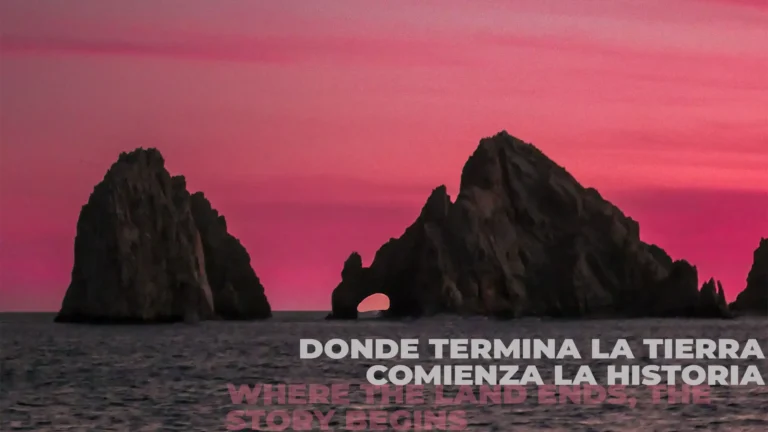
Históricamente, Los Cabos comenzó su desarrollo turístico replicando el modelo de resort estándar internacional: grandes complejos amurallados, restaurantes atrapados en espacios desconectados de su entorno y dependientes del aire acondicionado. Sin embargo, el destino ha vivido una profunda metamorfosis. Hoy, el lenguaje arquitectónico de la región ha madurado hacia una identidad propia, donde el diseño no solo respeta el territorio y su herencia, sino que se convierte en un puente para crear experiencias, integrar la cultura y celebrar la gastronomía local.
Pilares de la identidad arquitectónica cabeña
La madurez del destino se hace evidente en cómo los nuevos proyectos dialogan con el entorno indómito de Baja California Sur.
Materiales con sentido de lugar
Atrás quedaron el concreto liso y el mármol importado para dar paso a la piedra de la región, el cemento pulido con pigmentos térreos, la tierra compactada y las maderas endémicas o tejidos de palo de arco. Estos materiales no solo envejecen con gracia bajo el sol del desierto, sino que rinden homenaje a la artesanía local.
Orientación bioclimática
La arquitectura actual ya no lucha contra el clima; se alía con él. Se prioriza el uso de pérgolas para controlar la incidencia solar y muros gruesos de alta inercia térmica.
Integración al paisaje (desierto y mar)
Los edificios ya no se imponen sobre las dunas. Las líneas horizontales, los techos vivos con vegetación xerófila y las paletas de color en tonos arena, ocre y gris permiten que la arquitectura se mimetice entre el Mar de Cortés y el desierto.
Dos grandes corredores de desarrollo actual
El crecimiento de Los Cabos ya no es una línea recta en la carretera transpeninsular; hoy se divide en dos narrativas geográficas con experiencias muy distintas.
El corredor del mar y zonas húmedas (experiencias contemplativas)
Este corredor se enfoca en la costa, con una nueva sensibilidad hacia los ecosistemas existentes, procurando su proliferación y trascendencia. Los diseños proponen estructuras elevadas para no interrumpir el flujo del agua y la arena, maximización de las vistas al océano y protección de los arrecifes.
Las experiencias en la hotelería de ultra-lujo apuestan por el silencio, la observación de ballenas y el bienestar espiritual. Al mismo tiempo, los restaurantes locales son dirigidos por chefs comprometidos que promueven una gastronomía inspirada en huertas orgánicas, pescas responsables y ranchos locales conectados al mar.
El corredor rural y del interior (experiencias terrenales)
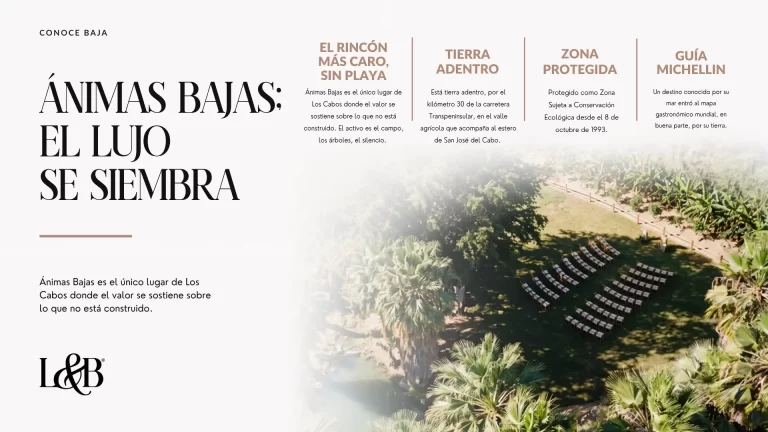
Hacia el interior, la arquitectura se basa en el paisaje agrícola de zonas como El Triunfo, Miraflores, Santiago o los huertos de San José del Cabo; donde el diseño muestra estructuras de estilo rancho contemporáneo, huertos integrales y materiales rústicos refinados que hacen vivir la experiencia de conexión con orígenes, tierra y tradiciones locales.
Diseñar experiencias: integración cultural y gastronomía
La arquitectura en Los Cabos ya no se diseña solo para ser vista, sino para ser vivida a través de los sentidos. Los espacios construidos se convierten en el escenario perfecto de expresión culinaria, arte y cultura local.
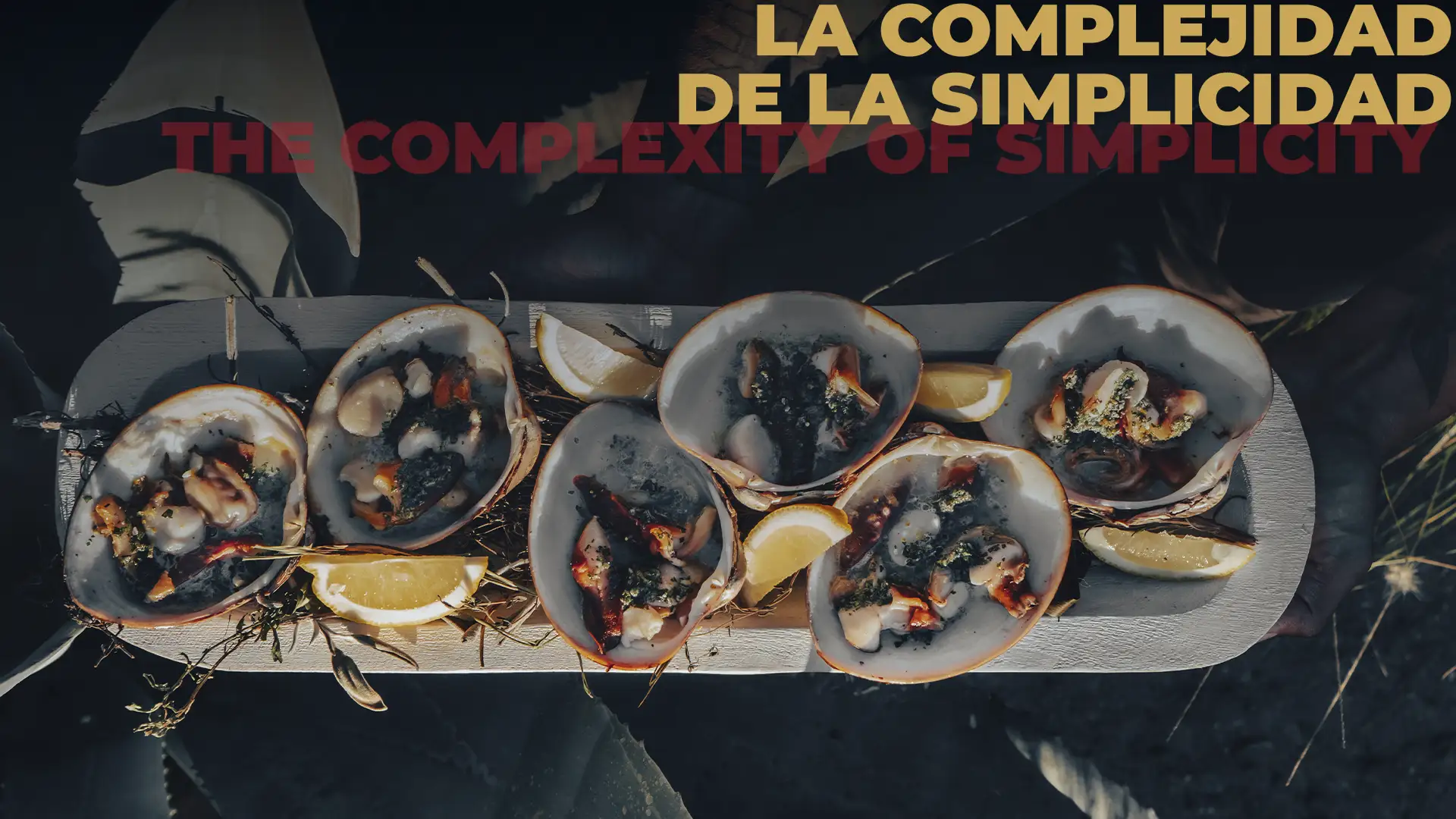
Farm to table: uno de los movimientos más importantes de la actualidad. Habla de cocinas abiertas a leña, comedores integrados a huertas orgánicas, fogatas y espacios al fresco bajo las estrellas de Los Cabos. No son lugares cerrados; buscan vivir la experiencia de cenar dentro del paisaje, celebrando el origen del producto y sus tradiciones.
Tendencias del futuro, responsabilidad del presente
El próximo capítulo de Los Cabos estará marcado por tres directrices que, desde la perspectiva de un chef emprendedor, se vuelven irrevocables:
Sostenibilidad regenerativa
No basta con "no dañar"; el diseño del futuro busca regenerar. Esto incluye tratamiento de aguas, cero plásticos por diseño, cocinas responsables en el uso de combustibles y reforestación de flora nativa.
Arquitectura efímera y de bajo impacto
Estructuras desmontables y materiales ligeros que permitan disfrutar de la naturaleza sin comprometer su integridad.
Hiper-localismo experiencial
El diseño interior se alejará de las tendencias globales de catálogo. Cada mueble, luminaria y textil será comisionado a comunidades de artesanos mexicanos, convirtiendo cada residencia o restaurante en una pieza de colección cultural viva: "el nuevo lujo… descalzo, con los pies en el desierto".
Conclusión
La madurez arquitectónica de Los Cabos demuestra que el verdadero lujo contemporáneo ya no reside en el exceso, sino en la pertenencia y el arraigo de los sentidos. Integrar el clima, la tierra, la gastronomía, la cultura y honrar nuestra herencia: eso es lo que chefs, arquitectos y desarrolladores responsables están haciendo hoy. No solo construyen edificios, cocinan o materializan proyectos — están esculpiendo la identidad de un destino que aprendió a brillar con luz propia… en la hermosa soledad de un desierto.
Chef Guillermo J. Gómez
The architectural language of Los Cabos: definition, design, culture, and integration
Historically, Los Cabos began its tourism development by replicating the standard international resort model: large walled complexes, restaurants trapped in spaces disconnected from their surroundings and dependent on air conditioning. The destination, however, has undergone a profound transformation. Today, the region's architectural language has matured into its own identity — one where design not only respects the territory and its heritage, but becomes a bridge for creating experiences, integrating culture, and celebrating local gastronomy.
Pillars of Cabeño Architectural Identity
The destination's maturity is evident in how new projects engage in dialogue with the untamed landscape of Baja California Sur.
Materials with a Sense of Place
Gone are the smooth concrete and imported marble, replaced by regional stone, polished cement with earthy pigments, rammed earth, and endemic woods or palo de arco weaves. These materials not only age gracefully under the desert sun — they pay homage to local craftsmanship.
Bioclimatic Orientation
Contemporary architecture no longer fights the climate; it allies with it. Pergolas to control solar exposure and thick high-thermal-mass walls are now standard priorities.
Integration into the Landscape (Desert and Sea)
Buildings no longer impose themselves on the dunes. Horizontal lines, living roofs with xerophytic vegetation, and color palettes in sand, ochre, and gray tones allow architecture to blend seamlessly between the Sea of Cortez and the desert.
Two Major Development Corridors
Growth in Los Cabos is no longer a straight line along the transpeninsular highway; today it divides into two geographic narratives with very distinct experiences.
The Coastal and Wetlands Corridor (Contemplative Experiences)
This corridor focuses on the coastline, with a new sensitivity toward existing ecosystems — fostering their proliferation and long-term relevance. Designs propose elevated structures to avoid disrupting water and sand flow, maximizing ocean views and protecting reef systems.
Ultra-luxury hospitality experiences here bet on silence, whale watching, and spiritual wellness. Local restaurants, meanwhile, are led by committed chefs who champion a gastronomy rooted in organic gardens, responsible fishing, and coastal ranches.
The Rural and Inland Corridor (Grounded Experiences)
Moving inland, architecture draws from the agricultural landscape of areas such as El Triunfo, Miraflores, Santiago, and the orchards of San José del Cabo. Design here features contemporary ranch-style structures, integrated gardens, and refined rustic materials that bring guests into direct connection with origins, land, and local traditions.
Designing Experiences: Cultural Integration and Gastronomy
Architecture in Los Cabos is no longer designed merely to be seen — it is designed to be lived through the senses. Built spaces become the perfect stage for culinary expression, art, and local culture.
Farm to table: one of the most significant movements of our time. It speaks of wood-fired open kitchens, dining rooms integrated into organic gardens, bonfires, and open-air spaces under the stars of Los Cabos. These are not closed venues — they seek to offer the experience of dining inside the landscape itself, celebrating the origin of ingredients and the traditions behind them.
Future Trends, Present Responsibility
The next chapter of Los Cabos will be shaped by three directives that, from the perspective of an entrepreneurial chef, feel nothing short of inevitable:
Regenerative Sustainability
It is no longer enough to "do no harm" — the design of the future seeks to regenerate. This includes water treatment, zero plastics by design, kitchens that use fuel responsibly, and reforestation of native flora.
Ephemeral and Low-Impact Architecture
Demountable structures and lightweight materials that allow people to experience nature without compromising its integrity.
Hyper-Local Experiential Design
Interiors will move away from global catalog trends. Every piece of furniture, light fixture, and textile will be commissioned from Mexican artisan communities, turning each residence or restaurant into a living piece of cultural heritage: "the new luxury... barefoot, with feet in the desert."
Conclusion
The architectural maturity of Los Cabos demonstrates that true contemporary luxury no longer lies in excess, but in belonging — in the rootedness of the senses. Integrating climate, land, gastronomy, and culture while honoring our heritage: that is what responsible chefs, architects, and developers are doing today. They are not merely building, cooking, or realizing projects — they are sculpting the identity of a destination that learned to shine with its own light… in the beautiful solitude of a desert.
Chef Guillermo J. Gómez